Trying to choose between Berkeley’s flats and hills? You are not alone. Many buyers love Berkeley for its character and location, but the right fit often comes down to how you want to live day to day, not just what looks best in photos. If you are weighing walkability, views, commute patterns, lot shape, and long-term upkeep, this guide will help you sort the trade-offs with more confidence. Let’s dive in.
Berkeley Flats vs Hills at a Glance
Berkeley changes quickly as you move from the Bay-side plain in the west to the steeper hills in the east. That shift affects housing style, transit access, climate, and even how a property functions over time.
In broad terms, the flats tend to feel more urban and connected to transit and commercial corridors. The hills tend to offer more elevation, more site-specific design, and a lifestyle shaped by slope, views, and access to hillside parks and trails.
How Berkeley’s Geography Shapes Daily Life
The city’s housing and planning documents show that most of Berkeley is made up of small lots with one to four units, while detached single-family homes are still the most common unit type citywide at 41%. Higher-density housing is concentrated near Downtown Berkeley and UC Berkeley, where apartment buildings and converted homes are more common.
For you as a buyer, that means location affects more than scenery. It influences the kind of home you are likely to find, how easy it is to get around, and what trade-offs come with the lot itself.
Why Buyers Choose the Flats
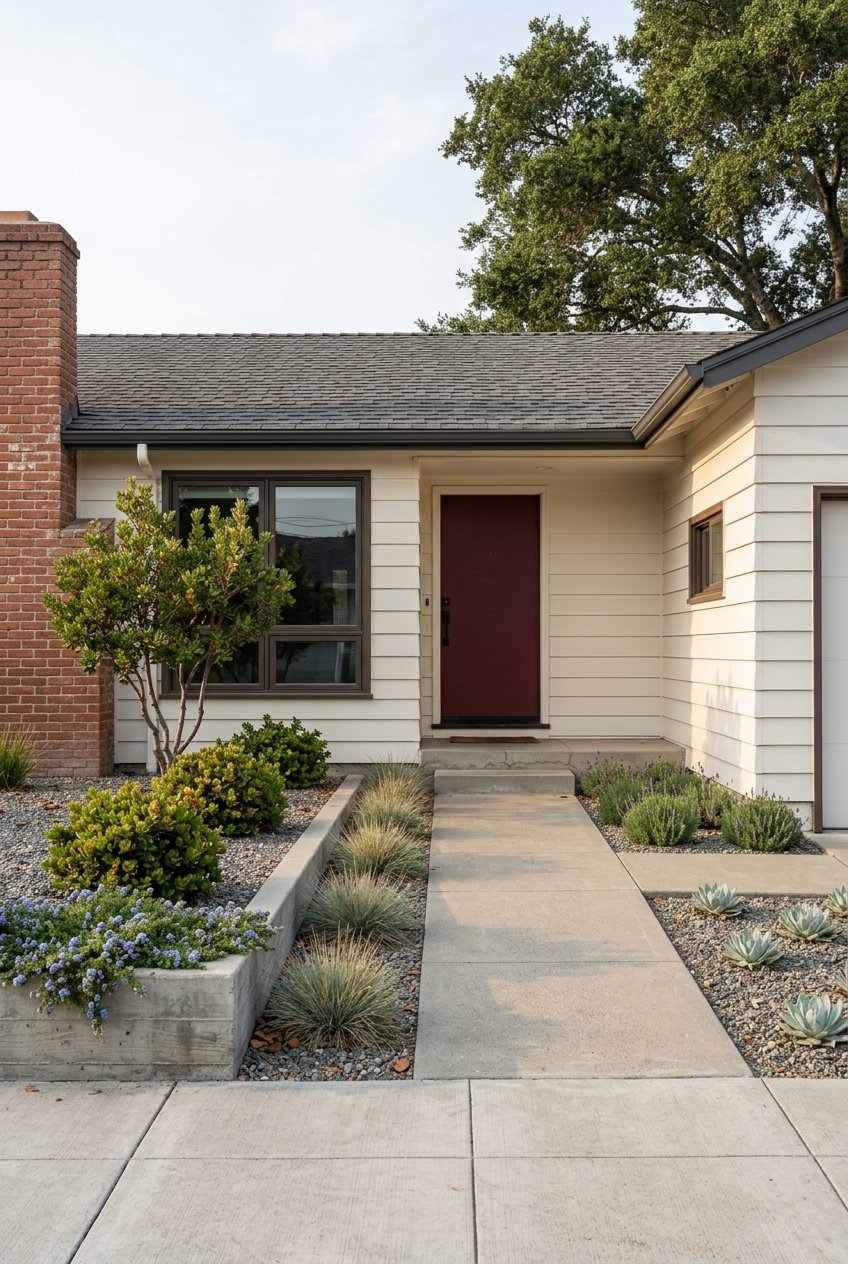
The flats usually appeal to buyers who want convenience built into daily life. If you value easier errands, flatter streets, and stronger transit access, this side of Berkeley may feel more practical.
City policy also supports more small-scale housing in many residential areas outside the high fire hazard hillside zones. Berkeley’s Middle Housing rules, effective November 1, 2025, allow forms such as duplexes, triplexes, fourplexes, and courtyard apartments in much of the city.
Housing Mix in the Flats
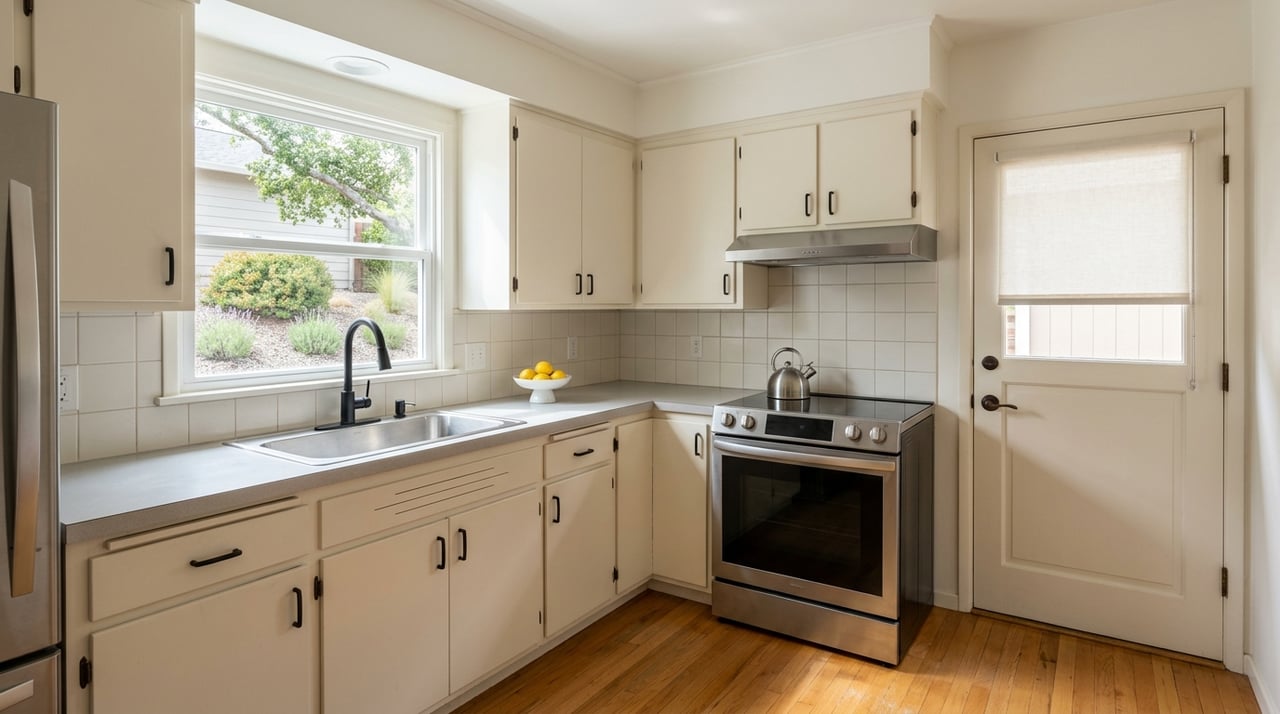
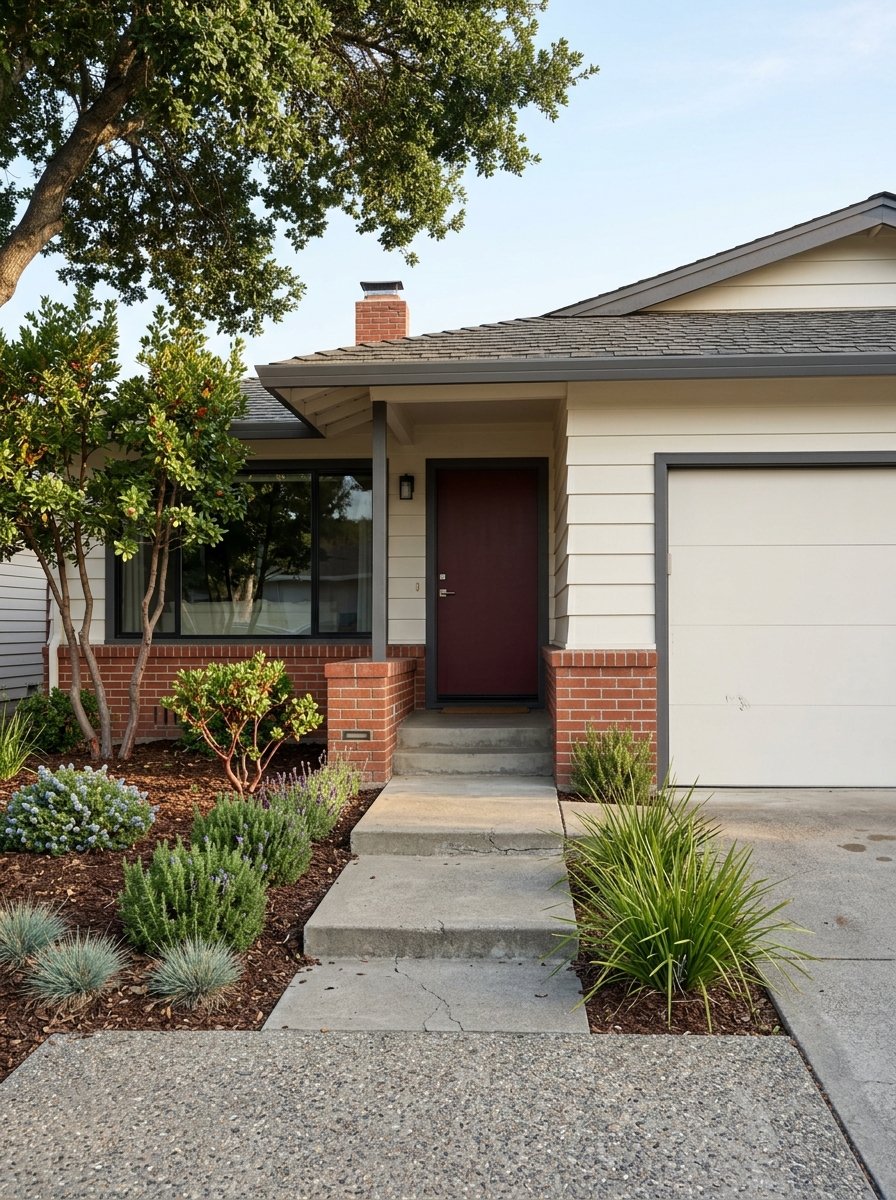
In the flats, you are more likely to see a mix of older single-family homes, converted houses, apartment buildings, and infill opportunities. That variety can create more choice in layout, lot use, and budget range.
If you are thinking beyond your immediate housing needs, this part of Berkeley may also offer more value-add potential. The city provides pre-approved ADU designs for property owners who want to add a secondary unit, which may matter if you are planning for rental income, multigenerational living, or long-term flexibility.
Transit and Everyday Convenience
Transit access is most concentrated on the flatter side of the city. Berkeley has three BART stations: Downtown Berkeley, North Berkeley, and Ashby.
These stations connect different parts of the flatlands to the broader region, and city planning also focuses housing near jobs, transit, parks, grocery stores, schools, and neighborhood commercial activity. In real life, that often means less dependence on a car and easier access to day-to-day destinations.
Recreation in the Flats
The flats are not just about errands and commuting. They also include places like the Berkeley Waterfront and Bay Trail, along with neighborhood-scale green spaces such as West Street Pathway and Monkey Island.
If you want a home base that makes it easier to mix work, recreation, and everyday tasks, the flats can offer a more connected rhythm.
Why Buyers Choose the Hills
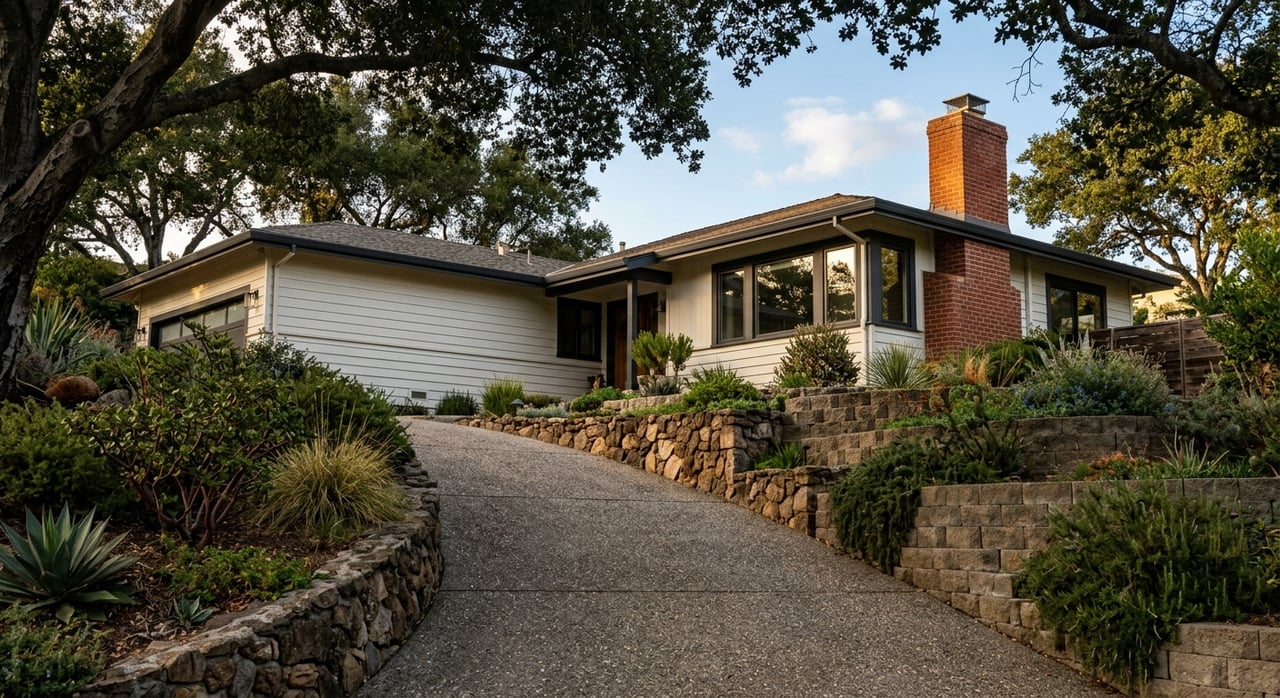
The hills tend to attract buyers who are willing to trade some convenience for a different kind of setting. If you are drawn to views, hillside character, and a more tucked-away residential feel, the hills may be the better fit.
This part of Berkeley is shaped by slope and site conditions. Homes often sit on steeper or more irregular parcels, and design decisions are more closely tied to terrain, access, and orientation.
Housing Form in the Hills
Hill homes often offer a more individualized feel because the land itself plays a bigger role in the property. You may find terraced outdoor space, homes designed around elevation changes, and layouts that capture outlooks rather than maximize flat yard area.
The city notes that many Berkeley Hills streets are steep, narrow, and curving. That can affect daily driving, parking, service access, and moving-day logistics in ways that are easy to overlook during a quick showing.
Parks, Trails, and Views
Lifestyle in the hills is often more destination-based. Instead of stepping out to a busy commercial corridor, you may be closer to hillside open space and scenic parks such as Indian Rock Park and Remillard Park.
For some buyers, that setting is the whole point. If your ideal day includes views, walking trails, and a more secluded residential environment, the hills can feel very different from the flatter parts of the city.
Transit in the Hills
Transit is available in the hills, but it is more route-specific. AC Transit Line 65 runs from Downtown Berkeley to the Lawrence Hall of Science and Grizzly Peak corridor, while Line 67 runs from Downtown Berkeley up to Grizzly Peak Boulevard and Spruce Street.
That can work well for some households, but it is usually not the same level of transit concentration you see in the flats. If you rely heavily on BART or want the widest range of car-light options, this is an important distinction.
Climate Differences You Should Know
Berkeley’s microclimate varies more than many buyers expect. The city’s Green Infrastructure Plan says annual rainfall can range from about 18 to 26 inches depending on location, due in part to microclimate and rainshadow effects from the Berkeley Hills.
The city’s 2024 Local Hazard Mitigation Plan draft also notes that the hills have greater tree canopy but can be hotter than the rest of Berkeley during heat events because of thermal belting. So if you are comparing homes across elevations, pay attention to how each property feels on warm days, not just how it looks online.
Wildfire Risk and Home Maintenance
Wildfire planning is one of the clearest differences between the flats and hills. Berkeley says its Middle Housing rules do not apply in the high fire hazard areas in the Berkeley Hills, and the city requires wildfire-resistant building materials and construction methods in certain hillside fire zones.
The city also advises hillside residents to leave early during Extreme Fire Weather and to harden vents, roofs, eaves, windows, and vegetation around the home. For some residents in the highest-risk zones, Berkeley offers home-hardening help.
That said, the flatlands are not risk-free. Berkeley’s hazard planning notes that while fire concern often centers on the hills, the flatlands are at risk too.
How To Decide What Fits You Best
The right choice usually becomes clearer when you focus on your routine and tolerance for trade-offs. A beautiful home is important, but so is how the location supports your commute, weekend plans, maintenance expectations, and future goals.
Here are a few practical ways to frame the decision.
Choose the Flats if You Prioritize
- Walkability for errands and daily routines
- Stronger access to BART and concentrated transit options
- Flatter lots and easier site access
- Proximity to commercial corridors, Downtown, or campus-adjacent areas
- More housing variety, including small multifamily and possible ADU potential in applicable areas
Choose the Hills if You Prioritize
- Views and hillside character
- Trail access and destination parks
- A more secluded residential setting
- Homes shaped by unique parcel design and elevation
- A willingness to plan for slope-related maintenance and wildfire readiness
A Smart Way To Tour Both Areas
If you are seriously deciding between the flats and hills, try touring with a checklist that goes beyond finishes and square footage. Pay attention to approach roads, parking, stairs, yard usability, transit options, and how far daily errands really feel.
It also helps to visit at different times of day. A street that feels peaceful in mid-morning may drive very differently during school commute hours or after dark, and a hill property can feel very different during a warm afternoon than on a cool morning.
Think About the Long-Term Use of the Property
Your next home should fit not only who you are now, but also where you may be headed. If flexibility, future rental income, or ADU potential matter to you, the flats may deserve a closer look in areas where those options are allowed.
If privacy, outlook, and a more distinctive site are worth the extra planning that comes with hillside living, the hills may deliver the lifestyle you actually want. The best decision is usually the one that matches both your daily habits and your long-term financial goals.
Choosing between Berkeley’s flats and hills is not about picking the "better" side of town. It is about matching your priorities to the realities of each setting so your next move feels right both emotionally and financially.
If you want help comparing Berkeley micro-markets, evaluating day-to-day trade-offs, or identifying homes that align with your lifestyle and long-term goals, schedule a strategy consultation with Anastasia Levitansky.
FAQs
What is the main difference between Berkeley flats and hills for homebuyers?
- The flats generally offer stronger transit access, flatter lots, and closer proximity to commercial areas, while the hills are more defined by views, slope, trail access, and wildfire planning.
Are Berkeley flats better for commuting than Berkeley hills?
- In many cases, yes. Berkeley’s three BART stations are concentrated in the flatter part of the city, while hill transit options are more limited to specific AC Transit routes.
Do Berkeley hills homes have higher wildfire considerations?
- Yes. Berkeley identifies high fire hazard areas in the hills, requires wildfire-resistant construction in certain hillside zones, and advises residents there to plan for early evacuation during Extreme Fire Weather.
Is the weather different in Berkeley flats and hills?
- Yes. Berkeley’s planning documents say microclimate varies by location, with rainfall ranging roughly from 18 to 26 inches citywide, and the hills can be hotter during heat events because of thermal belting.
Are ADUs and small multifamily options more common in Berkeley flats?
- They may be more relevant in many flatter residential areas because Berkeley’s Middle Housing rules apply to most residential zones but do not apply in the high fire hazard areas in the Berkeley Hills, and the city also offers pre-approved ADU designs for property owners.
How should you choose between a Berkeley flat and a Berkeley hills home?
- Start with your daily routine and future plans. If convenience, transit, and flatter lots matter most, the flats may fit better. If views, privacy, and hillside character matter more, the hills may be the stronger match.