Buying your first home in Albany can feel like solving a puzzle. You want a home that fits your budget, your lifestyle, and your long-term plans, but Albany’s housing stock comes with a very specific set of tradeoffs. The good news is that once you understand how the city is built, you can shop more confidently and avoid surprises. Let’s dive in.
Albany homes are often smaller and older
If you are starting your home search in Albany, one of the first things you will notice is that the housing stock is not centered on large, newer homes. Albany describes itself as a largely small-lot residential city, and its planning documents show a market shaped by compact homes, narrow lots, and a mix of single-family and multifamily properties.
According to the city’s 2023 housing element, 57% of Albany’s housing stock is single-family and 43% is multifamily. Among the single-family homes, nearly 95% are detached. Multifamily housing is concentrated more heavily in areas like west Albany Hill, Pierce Street, and the San Pablo corridor.
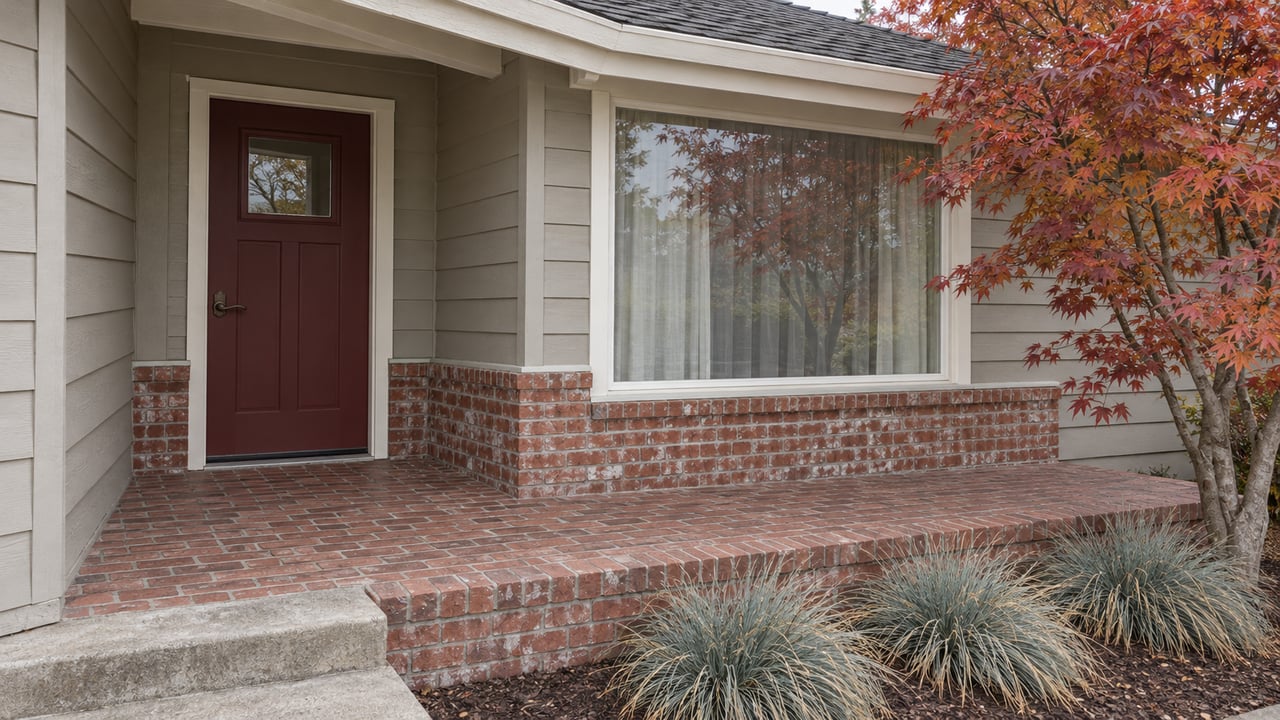
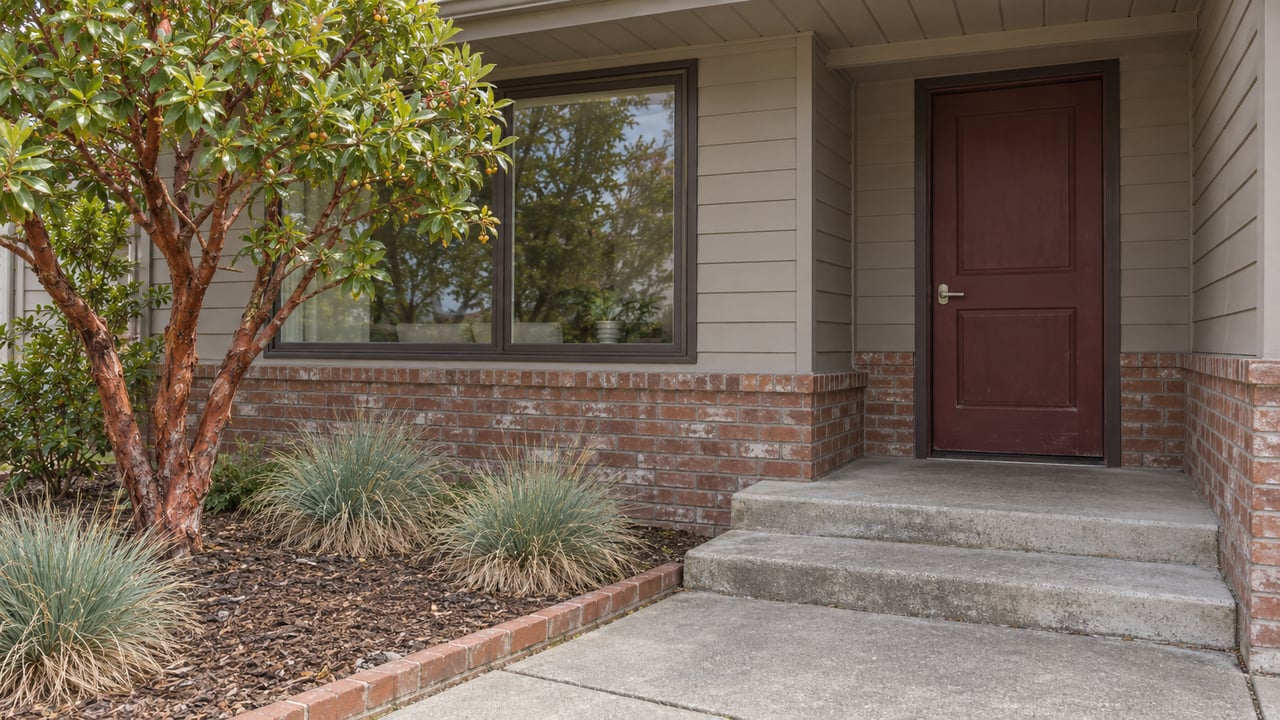
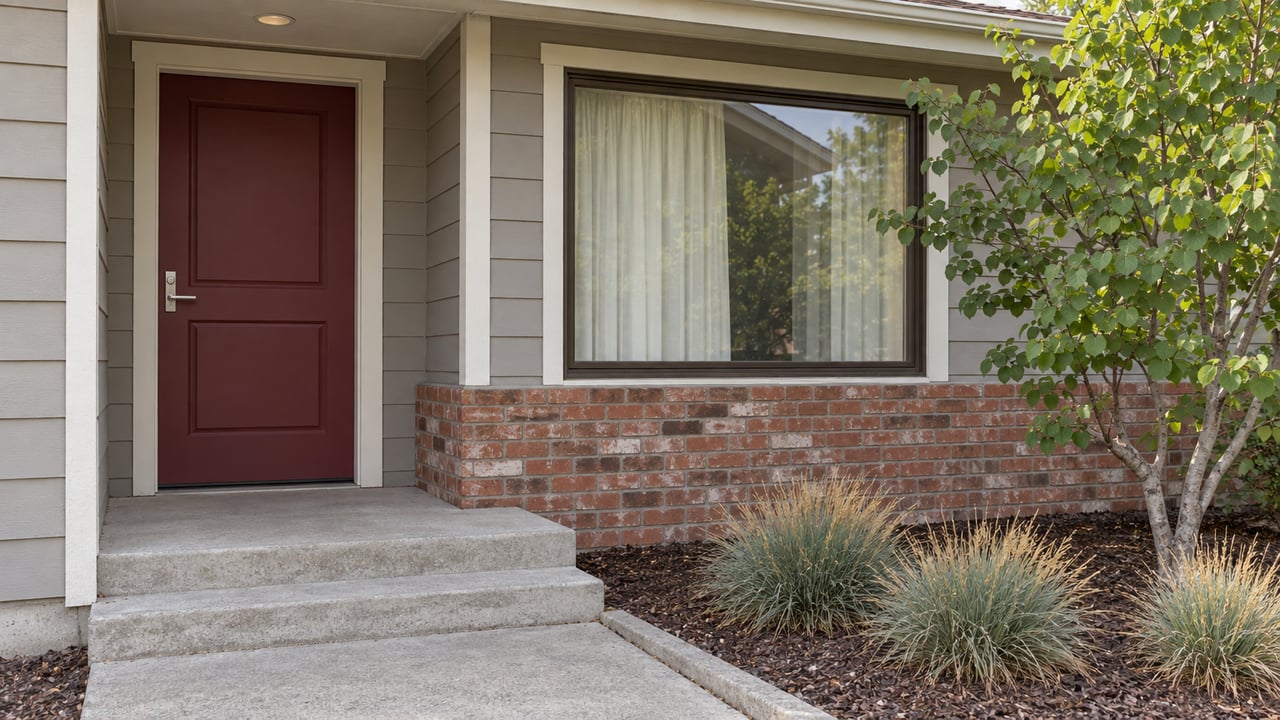
That matters for first-time buyers because it sets expectations early. In Albany, your first home may be a bungalow on a compact lot, a condo in a limited attached-housing pocket, or a unit in a smaller multifamily building rather than a large detached house with extra space in every direction.
What the city layout means for buyers
Albany’s residential character is shaped by older planning patterns. The city notes that many neighborhoods are defined by single-story or one-and-a-half-story bungalows, and attached housing is relatively limited outside a few specific clusters such as Gateview Towers, newer condos along Pierce Street, and UC Village.
For you, that means inventory can feel tight if you are looking for a certain product type. If you want a detached home, you may find more of them overall, but many will be compact and older. If you want a condo or townhouse, the options may be more concentrated in certain parts of the city rather than spread evenly across Albany.
This kind of housing mix tends to reward buyers who are flexible. You may need to decide which matters more: a detached home, a more updated interior, a shorter commute connection, or a lower-maintenance multifamily or condo-style option.
Expect compact lots and efficient floor plans
Albany’s lot sizes are a big part of the story. City planning documents show that many homes sit on 4,000-square-foot lots or smaller, and roughly 730 parcels fall between 2,500 and 3,000 square feet. The city recognizes existing 2,500-square-foot lots in R-1 zoning, but new lots below 3,750 square feet are generally not allowed.
In practical terms, that means many homes were built to use space efficiently rather than expansively. On a 4,000-square-foot lot, the city says maximum floor area is about 2,200 square feet. On smaller lots between 2,500 and 3,750 square feet, additions often have to go upward instead of outward.
For a first-time buyer, this affects both lifestyle and future planning. You may be buying into a home that feels charming and manageable now, but has more limited expansion potential later. That does not make it a poor fit. It simply means you should evaluate the home not just for today, but for how long it can realistically serve your needs.
Bedroom counts may be smaller than expected
Albany’s housing stock is also relatively compact when you look at bedroom count. The city reports that 68% of housing units have two bedrooms or fewer, nearly half are two-bedroom units, and less than 10% have four or more bedrooms.
That is important if you are comparing Albany to nearby markets or entering the market expecting a classic three- or four-bedroom starter home. In Albany, smaller bedroom counts are common, so first-time buyers often need to think carefully about how they will use each room.
A two-bedroom home may work well if you need one office, one guest room, or a flexible shared space. But if you know you need more separation or expect your space needs to grow quickly, Albany’s typical housing layout may require more compromise or a different budget strategy.
Older homes can be a strength and a budget issue
One of Albany’s defining features is the age of its housing stock. The city’s 2023 housing element says 58% of Albany homes are more than 60 years old. At the same time, the city describes the stock as generally in good condition and notes that permits for structural improvements, remodels, and additions are common.
That combination is very typical of a mature East Bay market. Older homes can offer character, established neighborhoods, and well-used floor plans, but they can also come with older plumbing, electrical systems, or deferred maintenance. First-time buyers should build that reality into their expectations before making an offer.
Earlier city planning data also show that the oldest homes are concentrated east of Masonic Avenue, where more than 90% were built before 1940. Between Masonic and San Pablo, about three-quarters were built before 1940. West of San Pablo tends to be newer by comparison.
Budget for repairs, updates, and due diligence
If you are buying your first home in Albany, your budget should go beyond down payment and monthly payment. Older housing stock often means repair planning matters. Local repair program information from Alameda County points to common issues such as plumbing, carpentry, and electrical work.
That does not mean every Albany home will need major work. It does mean you should look closely at the condition of systems, ask about prior updates, and review permits for any past improvements or additions. In a competitive market, it is easy to focus on winning the home. Smart buyers also focus on what the home may cost after closing.
A simple framework can help:
- Ask when major systems were last updated
- Review available permits for remodels or additions
- Look closely at inspection findings involving electrical, plumbing, or structural issues
- Consider whether your cash reserves can cover early repairs
- Think about whether a move-in-ready home may be worth paying more for upfront
Multifamily and condo buyers should check retrofit rules
If your first purchase might be a condo or a unit in a multifamily building, building-level due diligence becomes especially important. Albany’s soft-story retrofit program applies to certain pre-1981 wood-frame buildings with three or more units and a qualifying soft-story condition.
This matters because retrofit requirements can affect costs, timing, and ownership planning. The city also notes that the Bay Area has a 70% chance of a major earthquake in the next 20 years and that Albany is about a mile from the Hayward Fault.
For first-time buyers considering attached housing, that means you should ask direct questions about whether the building is subject to retrofit requirements, whether work has been completed, and what documentation is available. This is one of those details that can have a real impact on both cost and peace of mind.
Solano Avenue and San Pablo shape convenience
Location within Albany can change how a home lives day to day. The city’s general plan identifies Solano Avenue as Albany’s pedestrian-oriented main street with small shops and restaurants. It also describes San Pablo Avenue as a major commercial corridor that is evolving toward more pedestrian-oriented, mixed-use development.
For first-time buyers, that often creates a meaningful lifestyle choice. Homes near Solano or San Pablo may offer easier access to errands, dining, and daily convenience. Homes deeper inside residential blocks may offer a different feel, with less direct commercial activity nearby.
Neither is automatically better. The right fit depends on how you want to live and what tradeoffs matter most to you.
Transit access can influence home choice
Albany also benefits from practical transit connections. AC Transit’s G line serves Solano and San Pablo and connects Albany with El Cerrito Plaza BART and San Francisco. City maps also note Interstate 80 on Albany’s west edge and nearby BART access in El Cerrito.
That access can support home values and daily convenience because it gives you more than one way to move around the East Bay and beyond. If you commute, travel often, or prefer to reduce car dependence when possible, homes near these corridors may deserve a closer look.
At the same time, a home tucked farther from major routes may appeal if you care more about being away from the busiest corridors. This is where first-time buyers benefit from thinking beyond the house itself and considering the routines they want the location to support.
Albany rewards realistic first-time buyers
Albany tends to fit first-time buyers who are comfortable with smaller homes, older systems, and space-efficient lots in exchange for strong access to transit, neighborhood retail, and a well-established residential setting. The city’s standards also support conservation of smaller homes and discourage teardowns, so the housing stock is likely to retain much of its compact character.
That means your best strategy is not to force Albany into a different mold. It is to understand what Albany offers, identify the compromises you can live with, and evaluate each property through a practical lens.
A strong first-time buyer checklist in Albany should include:
- Home type: detached, condo, or multifamily-style ownership
- Lot size and usable outdoor space
- Bedroom count and layout flexibility
- Age of systems and likely repair needs
- Permit history for past work
- Building retrofit status, if applicable
- Distance to Solano, San Pablo, transit, and daily errands
When you approach Albany this way, the market starts to make more sense. You stop comparing every home to a generic idea of a starter home and start judging each property based on how well it fits Albany’s actual housing pattern and your own priorities.
If you are weighing whether Albany is the right first step for you, working with a local advisor who understands East Bay micro-markets, housing stock, and property-level tradeoffs can make your search much more focused. To schedule a strategy consultation, connect with Anastasia Levitansky.
FAQs
What type of housing is most common in Albany for first-time buyers?
- Albany has a mix of single-family and multifamily housing, with 57% single-family and 43% multifamily, so first-time buyers will likely see both detached homes and attached options during their search.
Are most Albany homes large enough for growing households?
- Many Albany homes are relatively compact, with 68% of units having two bedrooms or fewer and less than 10% having four or more bedrooms.
Do Albany first-time buyers need to budget for older home repairs?
- Yes, because 58% of Albany’s housing stock is more than 60 years old, so buyers should review inspections carefully and plan for possible plumbing, electrical, carpentry, or other system updates.
Which parts of Albany have the oldest homes?
- City planning data show that the oldest homes are concentrated east of Masonic Avenue, while areas west of San Pablo tend to be newer.
Why do Solano Avenue and San Pablo Avenue matter when buying in Albany?
- These corridors matter because they concentrate shops, restaurants, and transit access, which can affect daily convenience and how a home functions for your lifestyle.
What should condo or multifamily buyers in Albany ask before buying?
- Buyers should ask whether the building is subject to Albany’s soft-story retrofit requirements, whether any required work has been completed, and what records are available.