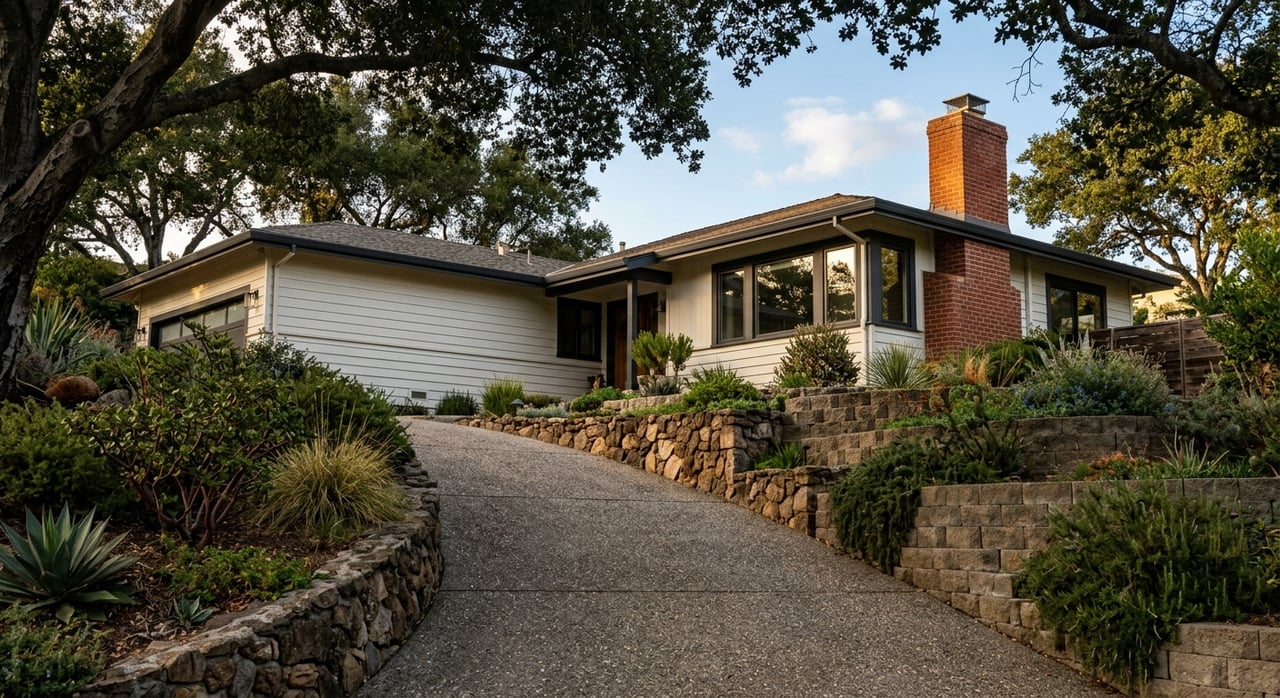
Buying a hillside home in Orinda can feel exciting and a little hard to read at the same time. The views, privacy, and tree-filled setting draw many buyers in, but the lot itself often matters just as much as the house. If you are considering this kind of property, it helps to know what daily life, inspections, and city review can look like before you move forward. Let’s dive in.
Why hillside lots shape the home
Orinda’s hills are not just scenery. They are a defining part of the city’s identity, and the city’s planning approach is built around preserving that hillside character.
That matters because topography is not treated as a side issue in Orinda. The city’s planning materials point to hillside and ridgeline design guidelines, and the zoning code adds special review for certain steep or ridgeline sites.
In Orinda, a severely sloped footprint means an average slope of 20% or more. The code also says floor elevations should respond to the hillside, foundations are generally cut into the slope, and ridgeline development should preserve the natural silhouette.
That is one reason many hillside homes in Orinda feel custom to the land. You may see split-level layouts, terraced outdoor areas, and site-specific foundations instead of a more typical flat-lot setup.
What daily living may feel like
A hillside home can look beautiful online and still feel very different in person. Before you focus only on finishes and square footage, take time to understand how the property works for real life.
Check access from street to door
During a showing, pay close attention to how you actually arrive at the home. Walk the route from the street or driveway to the front door and notice whether stairs, slopes, or narrow paths would affect your day-to-day routine.
This is especially important in hillside settings where homes often step with the terrain. Groceries, packages, strollers, moving furniture, and visitor access can all feel different on a steep lot than they do on a flatter parcel.
Test parking and turning space
A visual inspection standard for home inspectors includes exterior site elements such as driveways, walkways, grading, drainage, retaining walls, and patios. For you as a buyer, that means the driveway is not just a background feature.
If possible, consider whether cars can enter, park, back out, and turn around with reasonable ease. On some hillside properties, that everyday function can be a bigger quality-of-life factor than buyers expect at first.
Think through stairs and outdoor circulation
Terraced lots often come with steps between parking, the main level, patios, and yard areas. That layout is not automatically a problem, but it should match your lifestyle and comfort level.
Ask yourself simple practical questions. Will you be comfortable carrying laundry, taking out trash, managing deliveries, or hosting guests if movement through the property involves frequent stairs or changes in elevation?
Sun exposure can change the experience
Not all hillside lots live the same way. The direction a slope faces can change how warm, bright, or dry outdoor areas feel.
Research on slope aspect shows that south-facing slopes generally get more solar radiation and tend to be warmer and drier. North-facing slopes are usually cooler and wetter, while east- and west-facing exposures differ in morning versus late-day sun.
In practical terms, that can affect how long your patio gets sunlight, how quickly a garden bed dries out, or how damp some outdoor areas stay after rain. In Orinda, where outdoor living is a big part of how many buyers evaluate a home, this can be worth noticing during your showing and inspections.
Drainage matters more than many buyers expect
Water management is a major topic on hillside property. In Orinda, the city states that property owners are responsible for cleaning and maintaining private drainage features such as driveway culverts, v-ditches, and other private drainage facilities.
The city also notes that it generally does not own or control creeks because many are owned by the underlying property owners. That means drainage is not something to treat as abstract or someone else’s issue.
Look for signs of how water moves
As you tour a property, pay attention to the path water would likely take during a heavy storm. Notice the slope of driveways, the location of drains, the grading around patios, and whether runoff appears to be directed away from the home.
A standard home inspection is visual and non-invasive, so it can identify readily accessible issues but does not determine engineering suitability or full code compliance. For hillside homes, visible concerns often include grading and drainage deficiencies, water intrusion, movement or settlement, retaining wall concerns, and other exterior defects.
Know the maintenance is ongoing
Even if a hillside lot is functioning properly today, maintenance is often part of ownership. Orinda’s drainage page makes clear that private drainage systems need to be kept clean and maintained.
The city can also issue drainage maintenance notices when private drainage features are not maintained according to the municipal code. For a buyer, that means hillside ownership often includes a more active relationship with the site itself.
Retaining walls deserve close attention
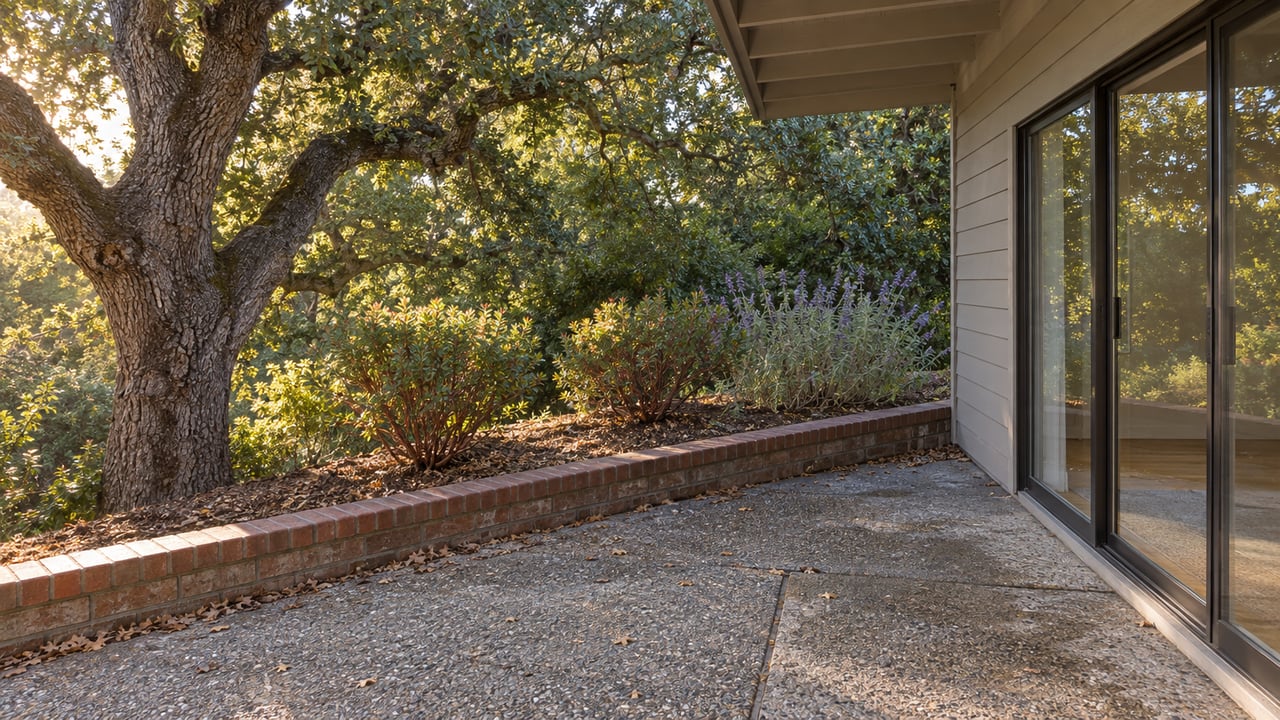
Retaining walls are common on hillside properties because they help create usable areas and support grade changes. But they are not just landscaping features.
Inspection guidance on retaining walls points to visible red flags such as rotation, bulging, cracking, erosion under the wall, and missing drainage openings. If you see any of those conditions, they deserve closer review during your contingency period.
A visual home inspection may flag concerns, but it will not tell you everything about design adequacy or long-term performance. In a hillside purchase, visible site structures often deserve the same level of attention buyers give to roofs, foundations, and major systems.
Verify permits before removing contingencies
Permit history can be especially important for hillside homes in Orinda. Features like decks, retaining walls, driveway changes, additions, or grading work may have required review and approvals.
Orinda states that projects requiring a building permit need Planning Department review and approval first unless exempt. The city also makes clear that planning approval is not the same thing as a building permit.
Contra Costa County issues the actual building permit and inspections for Orinda under the city’s contract for building services. The city directs the public to view permit history through Contra Costa County’s ePermits Center and to request older plans and permit records through the county.
What to confirm
Before removing contingencies, it is wise to confirm whether visible improvements appear in the available permit record. This can be especially useful when a property includes:
- Decks
- Retaining walls
- Driveway modifications
- Additions
- Major exterior site work
If you are also thinking ahead to future improvements, permit history can help you understand what has already been reviewed and what may still need further evaluation.
Future projects may take more time
Some buyers look at a hillside property and immediately see expansion potential. That can be smart, but in Orinda, site work and additions may involve more process than you would expect on a standard flat lot.
The city’s planning application information states that discretionary projects are judged by qualitative standards. It also notes that projects of 1,500 adjusted square feet or more of new floor area go to the Planning Commission, while smaller discretionary projects are handled by the Zoning Administrator.
These reviews can take months and may involve public notice, hearings, and appeals in some cases. If your buying decision depends on future changes, timing and approval path should be part of your due diligence.
Grading and easements can affect plans
Orinda’s hillside grading permit application shows another layer buyers should know. Parcels with average slope above 15% can require hillside grading review for grading work within the permit scope, subject to stated exceptions.
The same application asks for a preliminary title report to verify easements and, when applicable, an arborist report for protected trees at risk of damage or removal. So if you are thinking about reworking a driveway, reshaping outdoor space, or creating more usable yard area, the lot may involve constraints beyond simple construction cost.
Focus on fit, not just the view
The right Orinda hillside home can be a fantastic fit. But the key question is usually not whether hillside property is good or bad. It is whether the site’s access, maintenance needs, and daily routines work for you.
A home with dramatic terrain may offer privacy, light, and a strong connection to the landscape. At the same time, it may ask more from you in terms of stairs, drainage upkeep, and careful planning for future work.
If you are buying in Orinda, a measured, fact-based review of the lot can help you make a more confident decision. For thoughtful guidance on East Bay homes and the details that affect long-term value, schedule a strategy consultation with Anastasia Levitansky.
FAQs
What should you check first when buying a hillside home in Orinda?
- Start with access, parking, stairs, drainage patterns, and retaining walls, because the site can affect daily livability as much as the house itself.
Do hillside homes in Orinda face special city review?
- Yes. Orinda’s zoning and planning framework gives added attention to hillside and ridgeline development, and severely sloped footprints are defined as sites with an average slope of 20% or more.
Who handles permits for home projects in Orinda?
- Projects that need a building permit generally require Orinda Planning Department review first, and Contra Costa County issues the building permits and inspections for the city.
Why is permit history important for an Orinda hillside property?
- Permit records can help you verify whether visible improvements like decks, retaining walls, driveway changes, additions, or grading work were reviewed and signed off.
What inspection issues are common with hillside homes in Orinda?
- Buyers often pay close attention to grading and drainage deficiencies, water intrusion, retaining wall concerns, movement or settlement, and other exterior defects visible during inspection.
Can future grading or expansion be more complicated on an Orinda hillside lot?
- Yes. Depending on slope, easements, trees, and the type of work proposed, future projects may require hillside grading review, planning review, and a longer approval timeline.