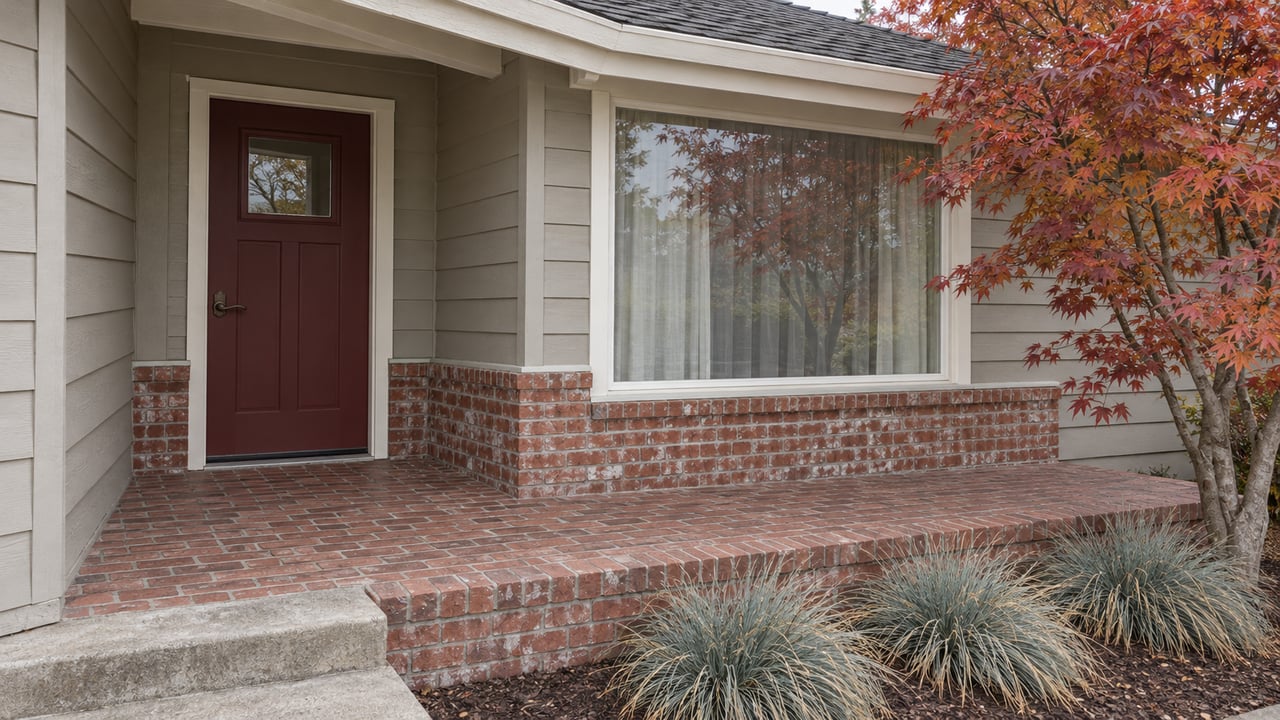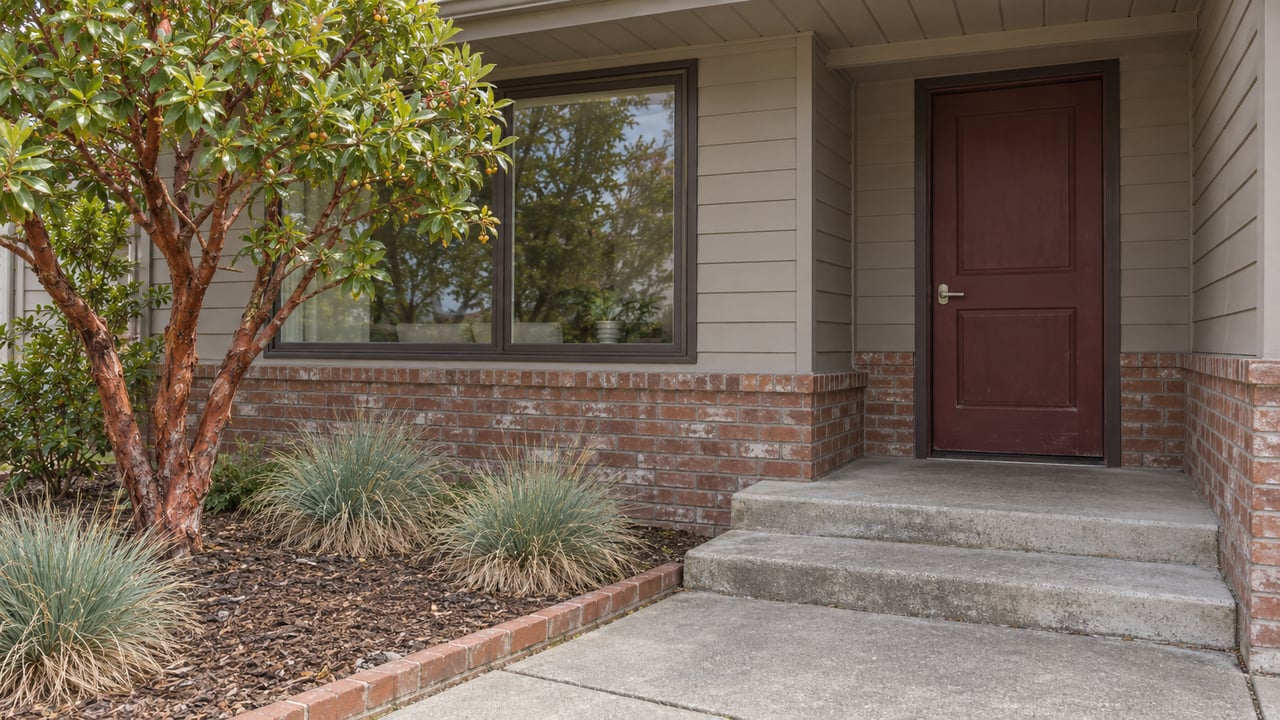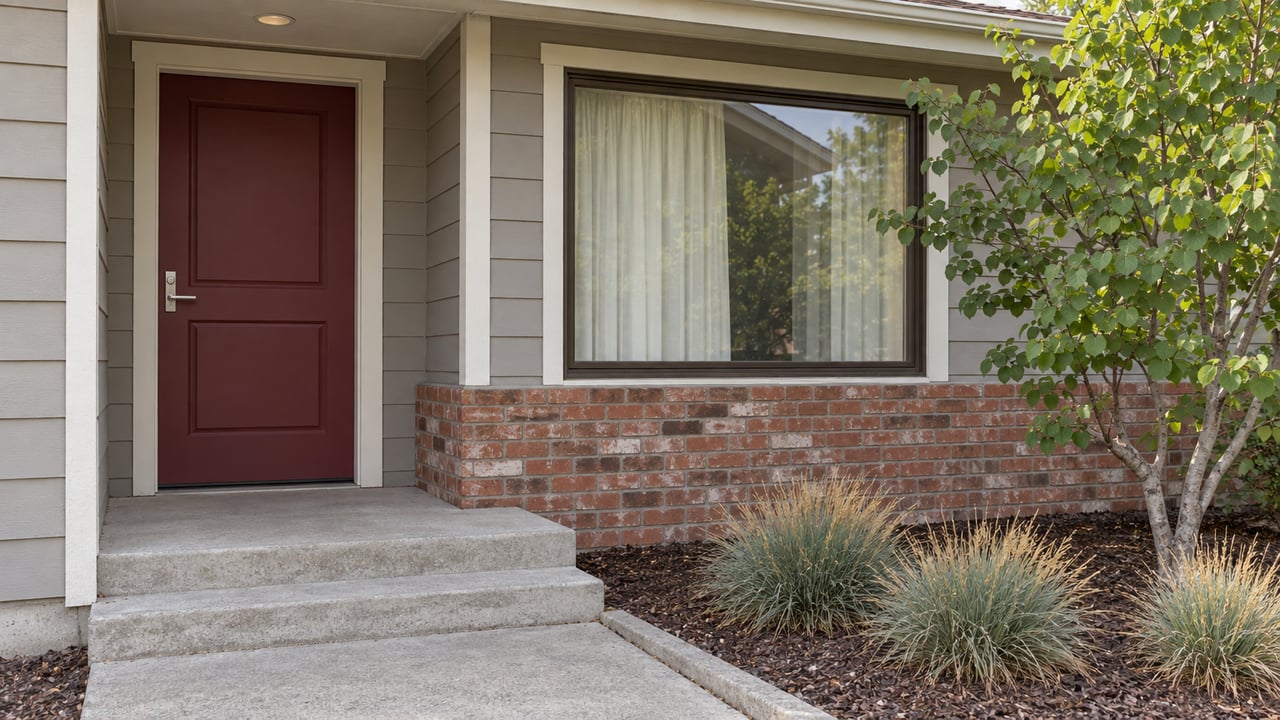
Thinking about buying near BART in El Cerrito? The convenience can be real, but so are the trade-offs. If you want an easier commute, better transit access, and a home that holds strong appeal in a competitive East Bay market, it helps to know that “near BART” in El Cerrito does not mean just one thing. This guide will help you understand the two main station areas, what housing looks like around each one, and what to verify before you write an offer. Let’s dive in.
El Cerrito BART Means Two Different Areas
If you are searching near BART in El Cerrito, you are really looking at two distinct station-area submarkets: El Cerrito Plaza and El Cerrito del Norte. Each has a different feel, different transit connections, and a different path for future change.
El Cerrito Plaza Overview
El Cerrito Plaza is at 6699 Fairmount Avenue and serves southern El Cerrito, along with nearby Albany, Kensington, and parts of Berkeley and Richmond. This area is central to the city’s transit-oriented development plans.
BART’s current plan for the Plaza area would replace surface parking lots with a six-building, 743-home project. The plan also includes public open space, a possible library, a bus zone, and a BART rider garage, with about half of the homes planned as affordable housing.
El Cerrito del Norte Overview
El Cerrito del Norte is at 6400 Cutting Boulevard and serves the northern part of the city. It stands out for broader regional bus connections, including AC Transit, Golden Gate Transit, WestCAT, SolTrans, and Napa Vine.
The city’s 2024 complete-streets work around del Norte reflects a bigger shift in how the station area functions. A corridor that was auto-focused for decades is being redesigned with protected crossings, bikeways, bus boarding islands, and streetscape improvements.
Why Station Proximity Matters to Buyers
Homes near BART often attract strong buyer interest because convenience is built into the location. If you commute regularly or want flexibility for future resale, being close to transit can carry meaningful value.
A BART analysis found that, across the Bay Area, homes within half a mile of BART tended to command premiums of about 10.7% for single-family homes and 15.0% for condominiums compared with properties more than five road miles away. That is not an El Cerrito-specific figure, but it helps explain why homes with easy station access can move quickly.
At the same time, price is not driven by distance alone. In El Cerrito, the exact block, lot size, parking setup, and housing type can all shift value in a major way.
What Housing Near BART Looks Like
El Cerrito’s planning documents make it clear that the station corridor is evolving away from older auto-oriented strip development. The city envisions more pedestrian-friendly mixed-use areas, especially around El Cerrito Plaza.
Mixed-Use Near the Stations
Around the station corridor, you will see more multifamily and commercial uses, especially west of Liberty Street. The city’s general plan also contemplates a range of housing forms, including mixed-use buildings, townhouses, and three-story walk-up style homes on some former BART parking-lot land.
The San Pablo Avenue Specific Plan reinforces that direction. It supports residential and commercial uses in a more urban environment, with amenities such as landscaping, open space, and context-sensitive development standards.
More Residential Feel East of Liberty
If you want BART access but not the busiest station-area feel, the city’s general plan offers a useful clue. East of Liberty Street, the plan describes a more single-family character.
That does not guarantee a quieter experience on every block, but it can help you narrow your search. For many buyers, the best balance is not always the closest address to the station. It may be the block that still offers walkable transit access with a more residential setting.
What Prices Suggest Right Now
El Cerrito is an expensive market by any practical measure. The Census Bureau reports a median value of owner-occupied housing units of $1,124,400, median gross rent of $2,548, and a homeownership rate of 58.6%.
Recent neighborhood-level pricing snapshots suggest the two station areas can differ meaningfully. Directional recent median sale prices have been reported at about $950,000 near Plaza and about $1.28 million near del Norte, though those figures should be read as broad indicators rather than exact like-for-like comparisons.
For buyers, the takeaway is simple: do not assume one “near BART” premium applies evenly across El Cerrito. A smaller condo, a townhouse with limited parking, and a detached house on a quieter block may all perform very differently.
The Trade-Offs Buyers Should Expect
Transit convenience usually comes with compromises. In El Cerrito, the three biggest ones are parking, noise, and ongoing construction or infrastructure change.
Parking Can Be Tight
Parking is a major local issue near both stations. BART charges for station parking, and the city has resident parking permit zones near both del Norte and Plaza to prioritize neighborhood parking.
At Plaza, BART notes the city is working on a parking management plan that could allow riders to pay for on-street parking while trying to preserve resident and visitor access. That tells you curb space matters and can become competitive.
If you own multiple cars, host frequent guests, or need easy daily loading access, parking should be part of your decision from day one. A home that looks great online can feel very different when street parking is limited.
Noise Is Part of the Equation
El Cerrito’s general plan explicitly acknowledges noise from both San Pablo Avenue and BART tracks. For new development, the city notes that mitigation may include double-paned windows and sound insulation.
That matters because listings often emphasize convenience first. You should assume that the closer you are to major transit infrastructure or busier corridors, the more important sound and activity levels become.
Construction and Change Are Ongoing
Both station areas are still evolving. Between transit-oriented development plans, complete-streets improvements, and access upgrades across the broader Berkeley-El Cerrito corridor, these areas are not static.
That can be a positive if you believe in long-term transit-oriented value. It can also mean temporary disruption, shifting traffic patterns, and a block-by-block living experience that changes over time.
The Upside: Better Access and Daily Convenience
The benefits are not just about train access. El Cerrito is also investing in the way people move to and from transit.
The Ohlone Greenway improvements near both stations include a wider path, better crossings, lighting, signage, landscaping, and seating. The city also states that it is official policy to promote public transit and improve pedestrian and bicycle access to transit stops.
If your lifestyle includes walking, biking, or regular BART commuting, these improvements can add real day-to-day value. For some buyers, that convenience outweighs the trade-offs in parking or station-area activity.
What to Check Before You Write an Offer
When you buy near BART in El Cerrito, the details matter. A strong purchase decision usually comes down to what you confirm beyond the listing photos.
Tour the Block More Than Once
Visit at different times of day, and do it on weekdays and weekends if possible. Morning commuter traffic, evening bus activity, and overnight parking patterns can all affect how a street feels.
One showing is rarely enough in a transit-oriented corridor. The same home can feel calm at noon and much busier during the early morning or evening rush.
Ask Specific Parking Questions
Before writing an offer, ask about:
- Resident parking permit requirements
- Guest parking availability
- Driveway width and ease of use
- Garage functionality for actual vehicle storage
- Typical curb availability near the property
These are practical questions, but they can have a big impact on your daily quality of life.
Verify Nearby Projects
Ask whether any station construction, transit-oriented development phase, or street redesign could affect the area in the next 12 to 36 months. In an area with active public improvements, future changes may shape access, noise, and parking more than buyers expect.
This is especially important if you are comparing a home that feels move-in ready with another that may sit near an evolving corridor. The better long-term buy is not always the one that feels easiest on first impression.
Read Listing Language Carefully
Terms like “walkable,” “moments from BART,” or “transit-oriented” usually signal convenience. They do not automatically mean quiet surroundings or easy parking.
That does not make those listings misleading. It just means you should translate marketing language into daily-life questions: How loud is it? Where do guests park? How busy is the street at 7:30 a.m.?
How to Think About the Best Fit
If your top priority is the shortest possible commute, buying very close to a station may be worth the trade-offs. If you want a little more breathing room, looking slightly farther from the busiest mixed-use corridor may give you a better balance.
This is where a data-informed, block-by-block approach matters. In El Cerrito, “near BART” can mean future development, stronger transit access, and resale appeal, but it can also mean more activity than you want.
The right home is the one that fits your actual routine, not just your search filter. If you want help evaluating station-area trade-offs, pricing, and long-term upside in El Cerrito or nearby East Bay micro-markets, schedule a strategy consultation with Anastasia Levitansky.
FAQs
What should buyers know about El Cerrito Plaza near BART?
- El Cerrito Plaza is in southern El Cerrito and is planned for major transit-oriented redevelopment, including 743 homes, open space, a possible library, a bus zone, and a BART rider garage.
What should buyers know about El Cerrito del Norte near BART?
- El Cerrito del Norte serves northern El Cerrito and offers broader regional bus connections, with ongoing street and access improvements such as protected crossings, bikeways, and bus boarding islands.
Are homes near BART in El Cerrito more expensive?
- Station proximity often supports stronger pricing, and Bay Area BART research found price premiums for homes within half a mile of stations, though exact value in El Cerrito depends heavily on block, home type, lot size, and parking.
What are the biggest trade-offs of buying near BART in El Cerrito?
- The main trade-offs are parking competition, noise from transit and major corridors, and possible disruption from ongoing construction or infrastructure upgrades.
How can buyers evaluate a home near BART in El Cerrito more carefully?
- Tour the property at different times, ask detailed parking questions, verify nearby public projects, and treat listing terms like “walkable” or “moments from BART” as convenience signals rather than guarantees about quiet or parking ease.
Where might buyers find a more residential feel near El Cerrito BART?
- The city’s general plan describes areas east of Liberty Street as having more single-family character, which may appeal to buyers who want transit access with a more residential setting.