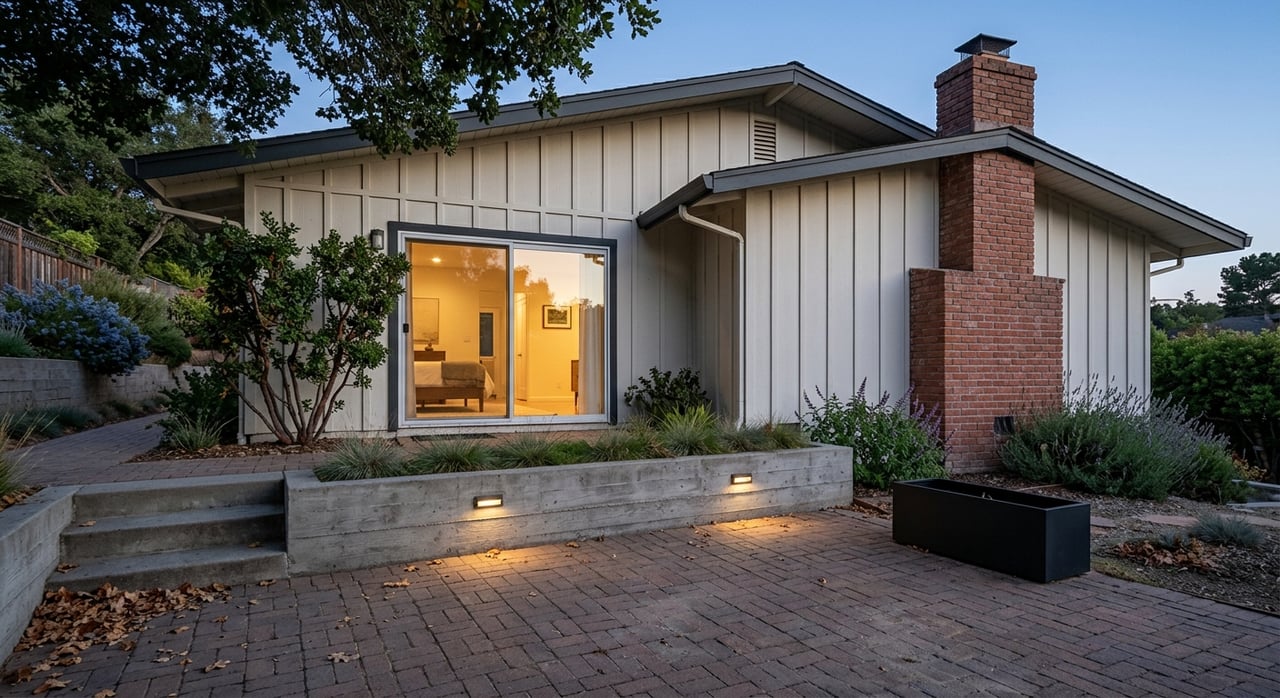
Wondering whether Montclair or Piedmont Pines is the better fit for your next Oakland Hills home? It is a smart question, because these two neighborhoods can feel very different day to day even though they sit in the same broader hills area. If you are weighing convenience, privacy, lot characteristics, park access, and commute realities, this guide will help you compare them in practical terms. Let’s dive in.
Montclair vs Piedmont Pines at a Glance
If you want the shortest version, Montclair usually appeals to buyers who value a stronger village center and easier access to errands, cafes, and local businesses. Piedmont Pines often appeals to buyers who want a more tucked-away residential setting with heavier tree canopy and a quieter feel.
That difference is not just a vibe. It lines up with how Oakland describes the hills street pattern, how civic life is organized in each area, and how parks and open space connect to daily life.
Neighborhood Feel and Daily Routine
Montclair feels more village-centered
Montclair stands out for its commercial core. Oakland describes the Montclair business district as a village destination with locally owned shops, restaurants, cafes, boutiques, and public-space uses. The city also manages parking in the area with demand-responsive meter rates, which suggests steady visitor activity around the village.
For you, that can mean a more public-facing neighborhood rhythm. If you like being able to head out for coffee, a quick meal, or basic errands without feeling completely removed from activity, Montclair may feel more connected.
Piedmont Pines feels more residential
Piedmont Pines reads differently. Public neighborhood association meetings are held at Marjorie Saunders Park rather than around a retail center, which suggests a more park-based civic pattern. In everyday terms, the neighborhood tends to feel more residential and less centered on a commercial hub.
If your priority is a quieter setting with a more tucked-away feel, Piedmont Pines may match your routine better. Buyers who want a retreat-like atmosphere often notice that difference right away.
Homes, Lots, and Zoning Patterns
Both areas are heavily residential
Oakland housing data shows both neighborhoods are overwhelmingly residential in zoning mix. Piedmont Pines is listed at 99.8% residential zoning, while Montclair North is 99.1% and Montclair South is 98%. Single-family zoning is also dominant across both areas.
That matters because your choices in either neighborhood will often center on detached homes rather than mixed-use or denser housing types. From a buyer’s perspective, you are usually comparing one hillside single-family setting to another, not two fundamentally different land-use patterns.
Hillside lots come with tradeoffs
In the Oakland Hills, the terrain shapes the housing experience. The city notes that the street network becomes more winding and less grid-like in the hills, and hillside zoning patterns can make lot splitting or subdivision more difficult in areas like Montclair and Piedmont Pines.
For you, that usually translates into irregular parcels, sloped driveways, terraced yards, and less straightforward expansion potential than you might find in flatter parts of Oakland. A home may offer privacy and views, but it may also come with access or site constraints worth studying closely.
Architecture can vary, but site conditions matter most
Oakland describes postwar hillside development as including California ranch homes and steep hillside housing. In practical terms, you may see a range of styles across both neighborhoods, from ranch and mid-century influenced homes to more custom hillside properties.
Still, many buyers find that the lot and access affect daily livability more than the architectural label. A beautiful house on a steep site may live very differently from one with easier driveway access and flatter outdoor space.
Parks, Trees, and Microclimate
Piedmont Pines has heavier canopy
Tree cover is one of the clearest physical differences between the two neighborhoods. Oakland’s land-cover assessment found canopy cover at 59.7% in Piedmont Pines and 46.53% in Montclair.
That higher canopy level can shape how the neighborhood feels when you drive or walk through it. More shade, denser greenery, and a stronger sense of being immersed in the hills are often part of the Piedmont Pines experience.
Montclair blends village life with park access
Montclair offers a combination many buyers like: a commercial village plus nearby recreation. City park listings include Montclair Park and the Montclair Railroad Trail, and Joaquin Miller Park nearby is described as a 500-acre park with redwood groves, oak woodlands, creeksides, meadows, and trails for hiking, biking, and equestrian use.
If you want access to nature without giving up a neighborhood center, that balance is a real advantage. You can enjoy the Oakland Hills setting while still feeling anchored by a recognizable local hub.
Piedmont Pines ties more directly to open space
Piedmont Pines has a stronger direct connection to open space than to retail. Marjorie Saunders Park sits within the neighborhood, and access points to Redwood Regional Park run from Redwood Road and Skyline Boulevard with trail connections through the ridge system.
For buyers who want trail access and a quieter natural setting to be part of everyday life, that can be a strong point in Piedmont Pines’ favor. It often feels more oriented around landscape than around commerce.
The hills have a distinct microclimate
The Oakland Hills do not always behave like the flatlands below. The East Bay Regional Park District notes that summer fog can linger along the hills until around noon, and parklands can stay cooler than surrounding city streets.
That can be a plus if you prefer a cooler environment and more shade. It also means the same sunny afternoon you experience elsewhere in Oakland may feel different when you are home in the hills.
Fire Safety and Hill-Home Practicalities
Both neighborhoods require extra due diligence
Oakland says most of the hills fall within High or Very High Fire Hazard Severity Zones. Homes in the wildland-urban interface must maintain defensible space, and the city has also launched a fire-safety parking project because narrow streets can block emergency vehicles.
This is one of the most important realities to keep in mind when comparing Montclair and Piedmont Pines. The home itself matters, but so do vegetation conditions, access width, turnaround space, and how the street functions in an emergency.
Street layout affects daily life too
The same conditions that matter for safety also affect convenience. Oakland notes that many hills streets are narrow, winding, or indirect, so the actual route to a specific house can matter almost as much as the neighborhood name.
Two homes only minutes apart on a map can feel very different in real life. That is why a careful tour should include the approach roads, parking situation, and ease of entering and exiting the property.
Commuting and Touring Smart
Focus on route, not just address
For many Oakland Hills residents, commute planning revolves around Highway 13 and Highway 24 through the Caldecott Tunnel. Because hillside streets can be circuitous, the practical path from the home to those funnels often shapes the workweek more than the ZIP code does.
If you commute regularly, test the route from the exact property at the time you would normally leave. A home that seems ideal on paper may feel less convenient if the local street pattern adds more friction than expected.
Biking in the hills takes experience
If biking is part of your routine, Oakland notes that hills riding requires technical skill because of uneven surfaces, debris, wildlife, and faster traffic. That does not rule it out, but it does mean the hills are a different environment from flatter, more predictable routes.
For an active buyer, this is worth evaluating honestly. A property can still support a bike-friendly lifestyle, but the route quality and your comfort level matter.
Tour-day checklist for hillside homes
When you tour homes in either Montclair or Piedmont Pines, pay close attention to factors that do not always show up in listing photos.
- Confirm whether the home is connected to sewer or uses septic
- Review permit history for additions, retaining walls, and major improvements
- Test the driveway for turning radius, slope, and ease of entry
- Check street parking conditions near the home
- Drive the uphill and downhill routes at realistic times of day
These checks can help you avoid surprises and compare homes more clearly on function, not just appearance.
Which Neighborhood Fits You Best?
Choose Montclair if convenience leads
Montclair is often the stronger fit if you want village convenience, a more visible neighborhood center, and a blend of residential living with nearby shops, cafes, and park access. It can work especially well if your ideal day includes both neighborhood amenities and quick access to outdoor recreation.
For many buyers, Montclair offers a balance that feels practical and lively without leaving the Oakland Hills setting behind.
Choose Piedmont Pines if privacy leads
Piedmont Pines is often the better fit if you want more canopy, more privacy, and a quieter residential setting tied closely to open space. If your priority is a home that feels more secluded and landscape-driven, this neighborhood may better match your goals.
That quieter character can be especially appealing if you see your home as a retreat and do not need a strong retail core nearby.
In the end, this is less about which neighborhood is better and more about which daily pattern fits you best. If you want help comparing specific homes, routes, and lot characteristics in the Oakland Hills, Anastasia Levitansky can help you evaluate the details that matter most.
FAQs
What is the main difference between Montclair and Piedmont Pines in Oakland?
- Montclair is generally more village-centered with shops, cafes, and a stronger commercial core, while Piedmont Pines is generally more residential, quieter, and more tied to parks and open space.
Are Montclair and Piedmont Pines both single-family neighborhoods?
- Yes. Oakland zoning data shows both areas are overwhelmingly residential and strongly single-family in character.
Does Piedmont Pines have more tree cover than Montclair?
- Yes. Oakland’s land-cover assessment found higher canopy cover in Piedmont Pines than in Montclair.
Is Montclair better for walkable errands in the Oakland Hills?
- In many cases, yes. Montclair has the clearer village center, with local businesses and public-facing neighborhood activity concentrated around that core.
What should you check when touring a home in Montclair or Piedmont Pines?
- Focus on sewer versus septic, permit history, driveway slope, street parking, and the actual commute route to and from the property.
Are there fire safety concerns in both Montclair and Piedmont Pines?
- Yes. Oakland says most of the hills are in High or Very High Fire Hazard Severity Zones, so defensible space, street access, and emergency vehicle clearance are important in both neighborhoods.