Looking for a Berkeley neighborhood that feels established, walkable, and full of small daily pleasures? North Berkeley stands out for exactly that reason. If you are thinking about buying, selling, or simply getting to know this part of town, it helps to understand how its architecture, business corridors, parks, and transit shape everyday life. Let’s dive in.
What North Berkeley Feels Like
North Berkeley is best understood as a mostly residential area with moderate commercial development, not a single downtown-style district. Instead of one dominant core, you get a few practical centers of gravity, especially along North Shattuck and Solano Avenue, with additional activity near University Avenue and North Berkeley BART.
That mix gives the neighborhood a layered feel. You can enjoy a walkable, amenity-rich lifestyle while still feeling like you live in a residential area rather than a busy urban hub. For many buyers, that balance is a big part of the appeal.
North Berkeley Architecture and Housing
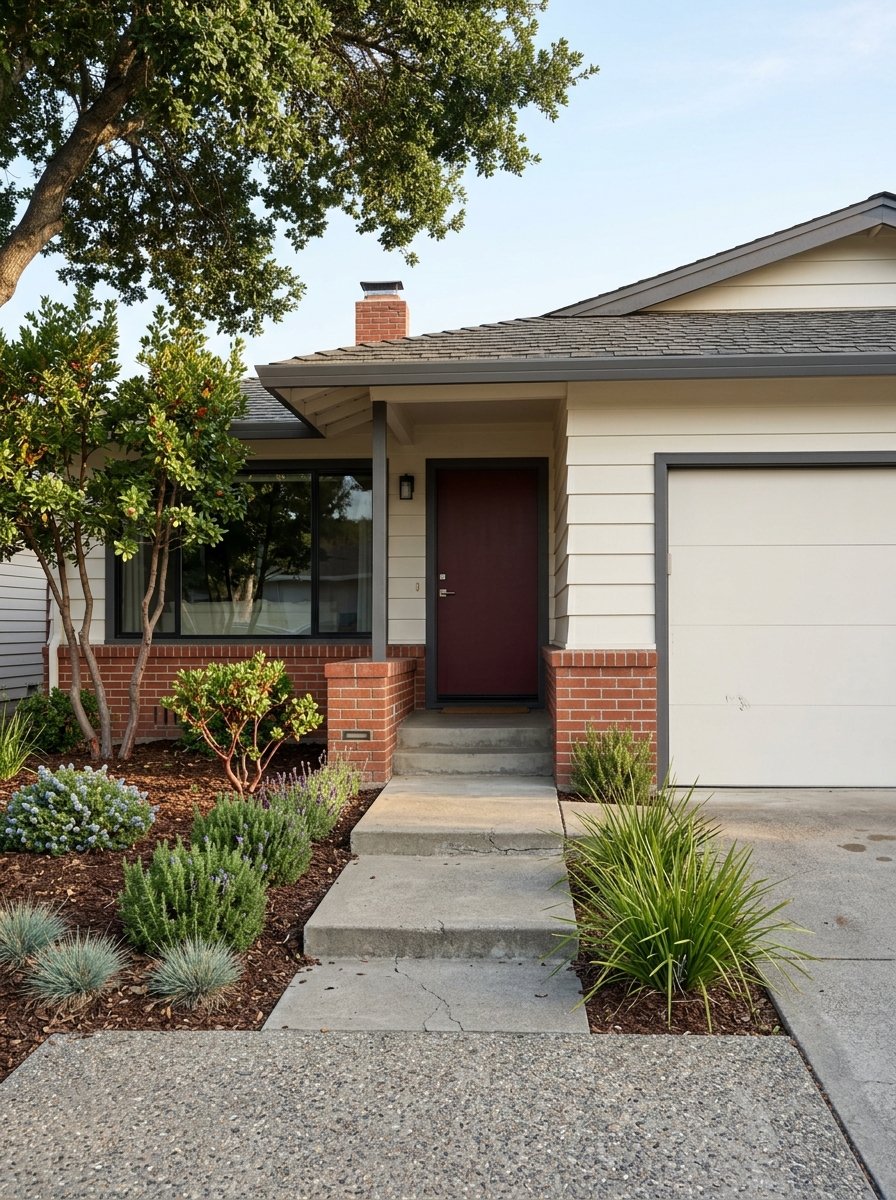
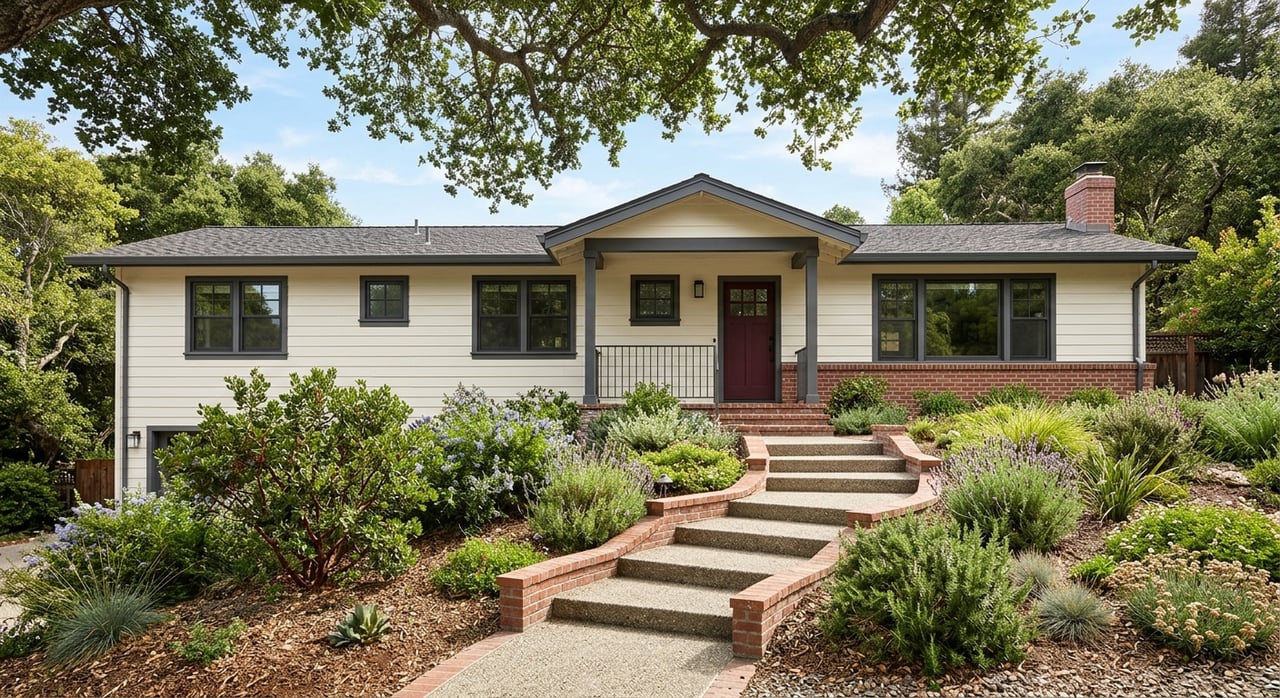
A large share of North Berkeley’s visible housing stock comes from the early 20th century. In areas such as Northbrae, the neighborhood pattern includes winding streets, prominent boulders, and green landscaping that give the area a distinct physical character.
You will also see many Craftsman and California Bungalow homes across the neighborhood. These homes help define North Berkeley’s classic residential identity and give many blocks a sense of continuity that buyers often notice right away.
The neighborhood’s civic architecture adds another layer. The North Branch Library, designed in a California Spanish style by James Plachek, is one example of how public buildings contribute to the area’s visual texture.
How the Housing Mix May Change
Berkeley’s middle-housing zoning changes, effective November 1, 2025, make it easier to add duplexes, triplexes, fourplexes, courtyard apartments, and similar small-scale multifamily housing in many residential areas. That includes locations near North Shattuck, Solano Avenue, and University Avenue.
For you as a buyer or seller, the practical takeaway is simple. The classic bungalow and early-20th-century housing fabric will likely remain a defining feature, but selected infill near commercial corridors and transit nodes may gradually add more variety over time.
North Shattuck and Solano Avenue
North Berkeley’s daily rhythm is tied closely to its neighborhood business corridors. North Shattuck is the signature food district and is widely associated with California cuisine, farm-to-table dining, cafés, artisan shops, food co-ops, and regular events.
If you are the kind of person who likes to walk out for coffee, pick up ingredients for dinner, or meet friends for a casual meal, North Shattuck plays an outsized role in the neighborhood experience. It feels active without reading like a late-night entertainment district.
Solano Avenue offers a different kind of commercial setting. It functions more like a broader boulevard-style errand street with restaurants, retail, personal services, and the annual Solano Stroll street fair.
For North Berkeley residents, these two areas often work together. North Shattuck tends to feel more food-forward and destination-oriented, while Solano Avenue often serves everyday errands and a wider mix of practical stops.
The Farmers’ Market Effect
The Thursday North Berkeley Farmers’ Market at Shattuck and Vine runs year-round from 3 p.m. to 7 p.m. That schedule matters because it shapes how the neighborhood feels in the late afternoon.
At that hour, grocery shopping, a quick bite, and neighborhood foot traffic overlap in a way that makes the area feel especially lived-in. It is one of the clearest examples of North Berkeley’s daily rhythm in action.
Parks and Outdoor Life
North Berkeley’s green spaces are a big part of what makes daily life here feel grounded and local. The neighborhood is anchored by Live Oak Park, Codornices Park, and the Berkeley Rose Garden, each offering a different kind of outdoor experience.
Live Oak Park includes courts, playgrounds, picnic areas, a stage or amphitheater, and a community center. It supports recreation, community gatherings, and everyday park use rather than serving as just a visual backdrop.
Codornices Park brings trails, a playground, a concrete slide, and an ADA-accessible tunnel connecting to the Rose Garden. The Berkeley Rose Garden adds a terraced amphitheater layout, roughly 1,500 rose bushes, and views toward the Bay and Golden Gate.
Northbrae’s Rock Parks
Northbrae’s rock parks give North Berkeley some of its most distinctive topography. Indian Rock, Great Stoneface, and Grotto Rock feature bouldering, short walking paths, picnic areas, and vista points.
These spaces help explain why North Berkeley feels different from a standard flat grid. The neighborhood is stitched together by small lookout parks, hillside features, and path connections that create a more varied outdoor experience.
Civic Anchors and Community Rhythm
North Berkeley’s tempo is also shaped by civic spaces that support daily routines. The North Berkeley Senior Center offers meals, classes, transportation, and field trips for adults 60 and older.
The North Branch Library, located at 1170 The Alameda, is served by AC Transit routes 7, 12, 18, 27, and FS. Along with Live Oak Park and its adjacent community center, these places reinforce the neighborhood’s daytime rhythm of errands, classes, recreation, and community activity.
That matters if you are trying to picture what living here actually feels like. North Berkeley tends to center more on parks, services, and neighborhood routines than on nightlife.
Micro-Pockets Within North Berkeley
North Berkeley is not uniform, and that is part of its appeal. Several micro-pockets have their own feel and practical advantages depending on what matters most to you.
Some of the most useful reference points include:
- North Shattuck and Vine for food, cafés, and market activity
- Hopkins, The Alameda, and Live Oak for civic and park access
- Sacramento and Delaware near North Berkeley BART for transit connections
- Northbrae and Thousand Oaks near Indian Rock for hillier streets and rocky topography
If you are buying, these distinctions can help you narrow your search based on lifestyle priorities. If you are selling, understanding your micro-location can help shape how your home is positioned in the market.
Transit and Getting Around
North Berkeley Station at 1750 Sacramento Street is an important local transit node. BART describes the station as connected to the Ohlone Greenway, two train lines, AC Transit service, bike racks, BikeLink lockers, and BayWheels access.
That combination supports a strong walking-and-biking trip share and gives parts of North Berkeley a compact, connected feel. For many residents, transit access adds convenience without changing the neighborhood’s residential character.
The city is also studying Hopkins Street with a focus on safer streets and placemaking. Along with the zoning changes near key corridors, that suggests North Berkeley may continue to evolve incrementally at its edges rather than through dramatic change on interior blocks.
How North Berkeley Compares Nearby
Compared with nearby Berkeley districts, North Berkeley reads as more residential than Downtown Berkeley. It is also less purely shopping-oriented than Elmwood and more compact and neighborhood-scaled than the broader retail strip along Solano Avenue.
That does not mean it lacks amenities. In fact, the neighborhood is rich in restaurants, parks, transit options, and community spaces. The difference is that those amenities are distributed across several smaller centers rather than concentrated in one large core.
What This Means for Buyers and Sellers
If you are buying in North Berkeley, you are often choosing a neighborhood for its balance. You get early-20th-century housing character, useful commercial corridors, strong park access, and practical transit connections, all within a setting that still feels residential.
If you are selling, the neighborhood story matters. Buyers are not just responding to square footage or finishes. They are also paying attention to the surrounding rhythm of parks, market afternoons, walkable food corridors, transit access, and the architectural identity that gives North Berkeley its staying power.
For both buyers and sellers, the details matter at the micro-market level. A home near North Shattuck may appeal for one reason, while a property near Indian Rock or North Berkeley BART may attract attention for another. That is where hyperlocal guidance can make a real difference.
North Berkeley works best when you understand it block by block, not just by ZIP code. If you want help evaluating a home, positioning a property for sale, or understanding how a specific pocket fits your goals, Anastasia Levitansky can help you build a smart, locally informed strategy.
FAQs
What is North Berkeley known for as a neighborhood?
- North Berkeley is known for its mostly residential feel, early-20th-century homes, food-focused North Shattuck corridor, strong park access, and a daily rhythm centered on errands, recreation, and community activity.
What types of homes are common in North Berkeley?
- Craftsman and California Bungalow homes are common, especially within the area’s early-20th-century housing fabric, with Northbrae adding winding streets, boulders, and green landscaping.
What are the main shopping and dining areas in North Berkeley?
- The main commercial anchors are North Shattuck and Solano Avenue, with North Shattuck serving as the signature food district and Solano Avenue offering a broader mix of retail, dining, and services.
What parks define outdoor life in North Berkeley?
- Live Oak Park, Codornices Park, and the Berkeley Rose Garden are major outdoor anchors, while Indian Rock, Great Stoneface, and Grotto Rock add the area’s distinctive rock-park identity.
How does transit work in North Berkeley?
- North Berkeley BART at 1750 Sacramento Street connects to two train lines, AC Transit, the Ohlone Greenway, bike racks, BikeLink lockers, and BayWheels access, supporting walking, biking, and transit use.
How may housing change in North Berkeley after 2025?
- Berkeley’s middle-housing zoning changes, effective November 1, 2025, may make small-scale multifamily infill easier near corridors such as North Shattuck, Solano Avenue, and University Avenue, while the neighborhood’s classic housing character is still likely to remain a major feature.