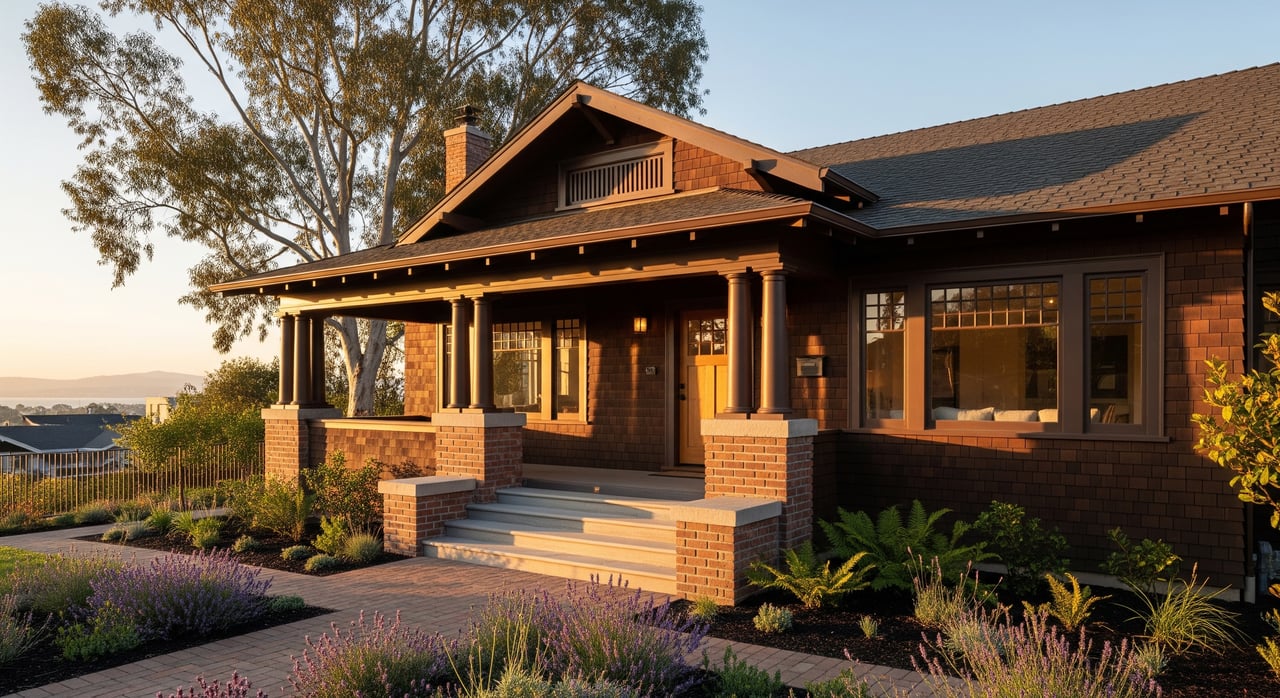
Imagine starting your day on a wide front porch with coffee in hand while neighbors stroll by and the sun filters through mature trees. If that picture speaks to you, a Berkeley Craftsman might be your kind of home. These houses blend charm, practicality, and a sense of place that is hard to replicate. In this guide, you’ll learn what defines the style, where to find it, and what to consider before you buy. Let’s dive in.
What makes a Berkeley Craftsman
Exterior character you notice first
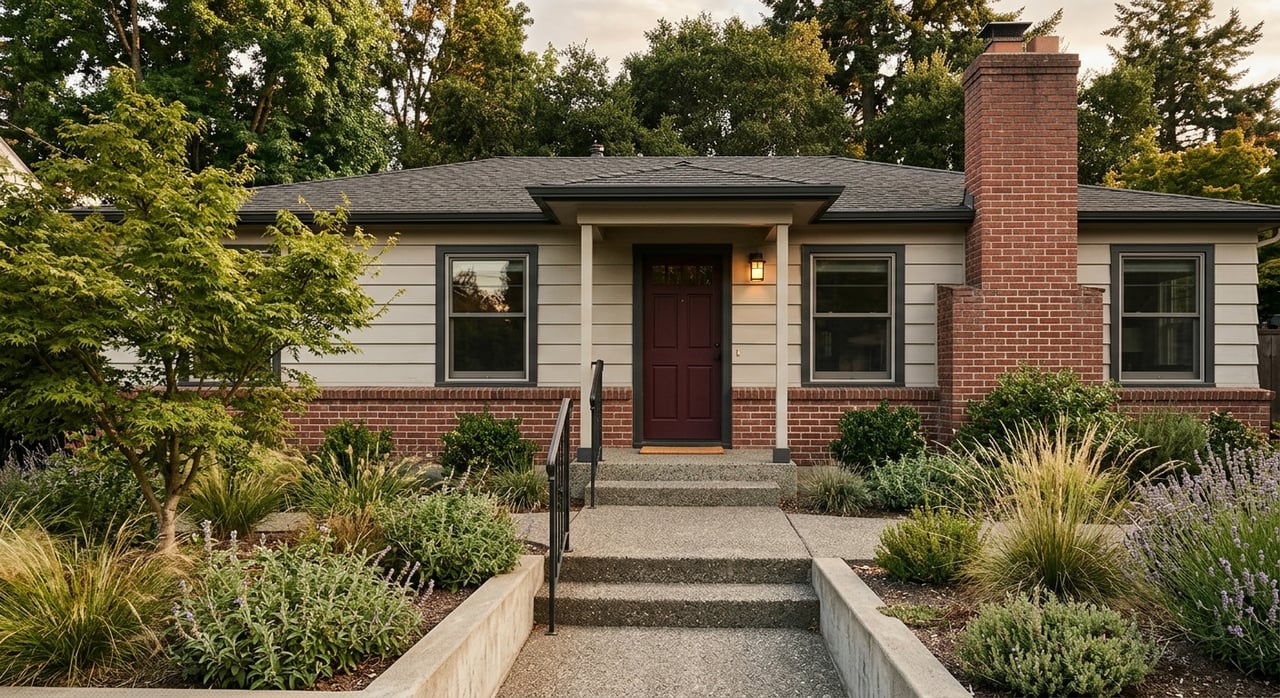
Craftsman homes in Berkeley often feature low-pitched, front or cross-gabled roofs with wide eaves and exposed rafter tails. You’ll see generous front porches with thick tapered or square columns, sometimes set on stone or brick piers. Natural materials are part of the appeal, from wood shingles or clapboard siding to brick and stone accents. Many retain original window patterns with multi-pane upper sashes over single-pane lowers and details like knee braces or decorative trusses.
Interior charm and everyday flow
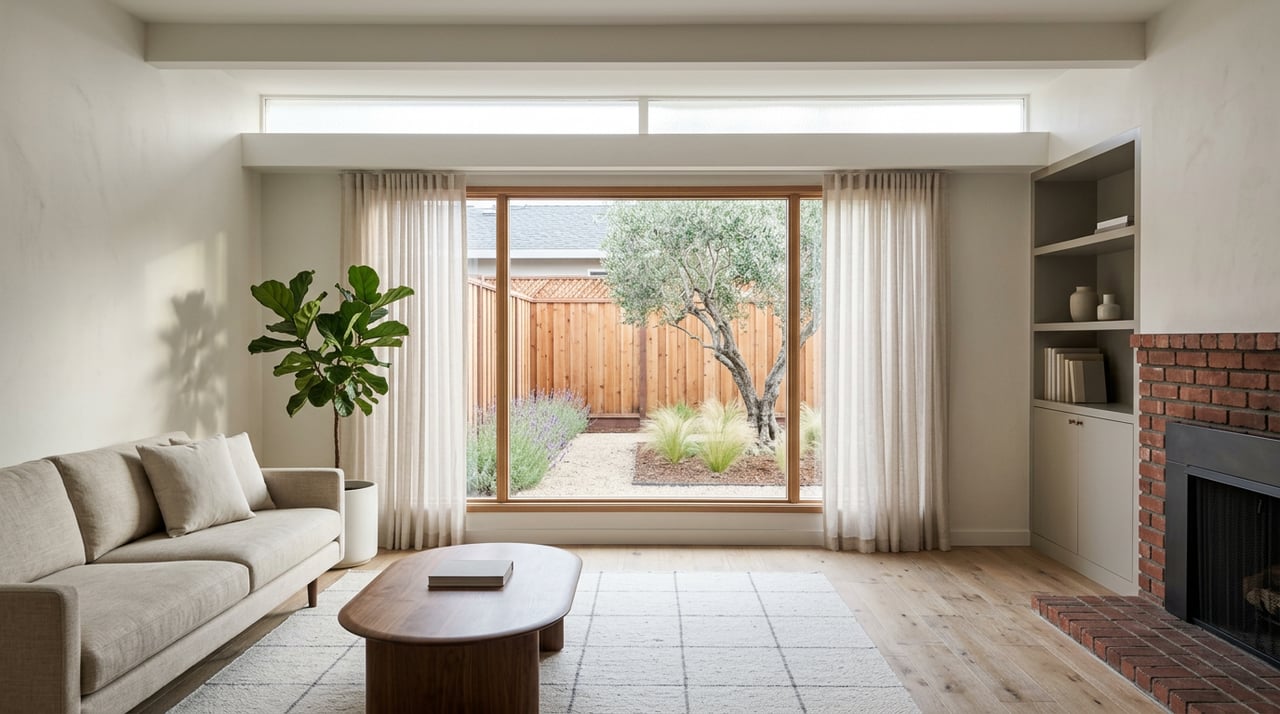
Inside, rooms feel defined but comfortable, with a natural flow between the living room, dining room, and kitchen. Classic features include built-in cabinetry, window seats, hardwood floors, and an inglenook or masonry fireplace that anchors the living space. You may find leaded or stained-glass accents and generous trim that gives the home warmth and substance. Footprints vary, from modest bungalows around 800 to 1,600 square feet to larger two-story homes that can exceed 2,000 square feet.
Common updates you’ll see
Over time, owners often remodel kitchens and baths and sometimes open parts of the floor plan for better connection between rooms. Comfort upgrades are common, including insulation, updated windows or storm windows, and new HVAC. In the Bay Area, many owners pursue solar, additions, or accessory dwelling units. In older homes, seismic retrofits and foundation work are frequent improvements.
Where Craftsman homes cluster
Elmwood
Just south of campus along College Avenue, Elmwood offers a high concentration of early 20th-century homes on tree-lined streets. Craftsman bungalows here pair quiet residential blocks with easy access to cafes, markets, and shops.
North Berkeley
Around the Gourmet Ghetto and the Shattuck, Colusa, and Cherry corridors, you’ll find a mix of smaller bungalows and larger Craftsman homes. This area is close to dining and specialty food shops and has convenient access to the North Berkeley BART station.
Thousand Oaks and Berkeley Hills foothills
As you climb east into the hills, lots often get larger and some homes take advantage of hillside outlooks. Expect some steeper street grades and a varied collection of Craftsman-influenced houses.
Westbrae and West Berkeley pockets
West of Shattuck toward San Pablo, older residential grids include modest bungalows interwoven with later housing. You’ll find proximity to the Solano and Gilman corridors and a patchwork of residential and light industrial nearby.
Panoramic Hill and the Claremont area
Near the Oakland border and the Claremont Hotel, select streets feature Craftsman cottages set on steep lots. Vertical living and stair navigation are part of the day-to-day here.
Daily life in a Craftsman
Walkability and local amenities
Many central Berkeley neighborhoods with Craftsman homes are walkable to groceries, cafes, yoga studios, and small retail clusters. The proximity to the UC Berkeley campus adds dining and cultural options. Porch culture and modest front setbacks encourage neighborly interaction, and many lots support gardening with mature trees and planting beds.
Transit and commuting
Berkeley is served by BART stations at North Berkeley, Downtown Berkeley, and Ashby, which makes commuting to San Francisco and other East Bay job centers straightforward. AC Transit buses and regional bike corridors add options for getting around. Depending on your station and transfers, BART rides to downtown San Francisco are typically under an hour.
Sound, parking, and outdoor space
Street character varies. Homes close to commercial corridors have more foot and vehicle activity, while interior blocks are often quieter and shaded. Older homes may lack modern garages, and street parking rules vary by neighborhood. Many properties have detached rear garages if parking is present.
Access and mobility
Original layouts often include stairs and narrower doorways. If you need easier access, plan for modifications such as ramp solutions, widened openings, or a main-level bath remodel.
Buyer checklist and due diligence
Inspections to prioritize
- Structural and foundation: Look for settling, pier-and-beam issues, and drainage problems, especially on sloped lots. Seismic retrofit recommendations are common for older wood-frame houses.
- Electrical: Pre-1950 wiring such as knob-and-tube or cloth-insulated lines may remain in some homes. Upgrades are common and sometimes required by insurers or lenders.
- Plumbing: Confirm the condition and replacement history of galvanized or cast-iron pipes.
- Hazard materials: For homes built before 1978, plan to test for lead-based paint and consider possible asbestos in insulation or older finishes before renovations.
- Pests: Termite and dry rot inspections are essential for older wood-framed homes in this climate.
- Windows and insulation: Many originals have single-pane windows and limited insulation. Retrofits can improve comfort and efficiency while balancing historic character.
Renovation and modernization
- Kitchens and baths: Modernize thoughtfully while keeping built-ins and trim intact.
- Opening walls: If you plan a more open feel, work with professionals to protect defining elements like fireplaces and built-ins.
- Energy upgrades: Consider insulation, air sealing, and HVAC improvements for year-round comfort.
- Solar: Many owners add panels where placement is feasible and compatible with the roof style.
ADUs and flexible space
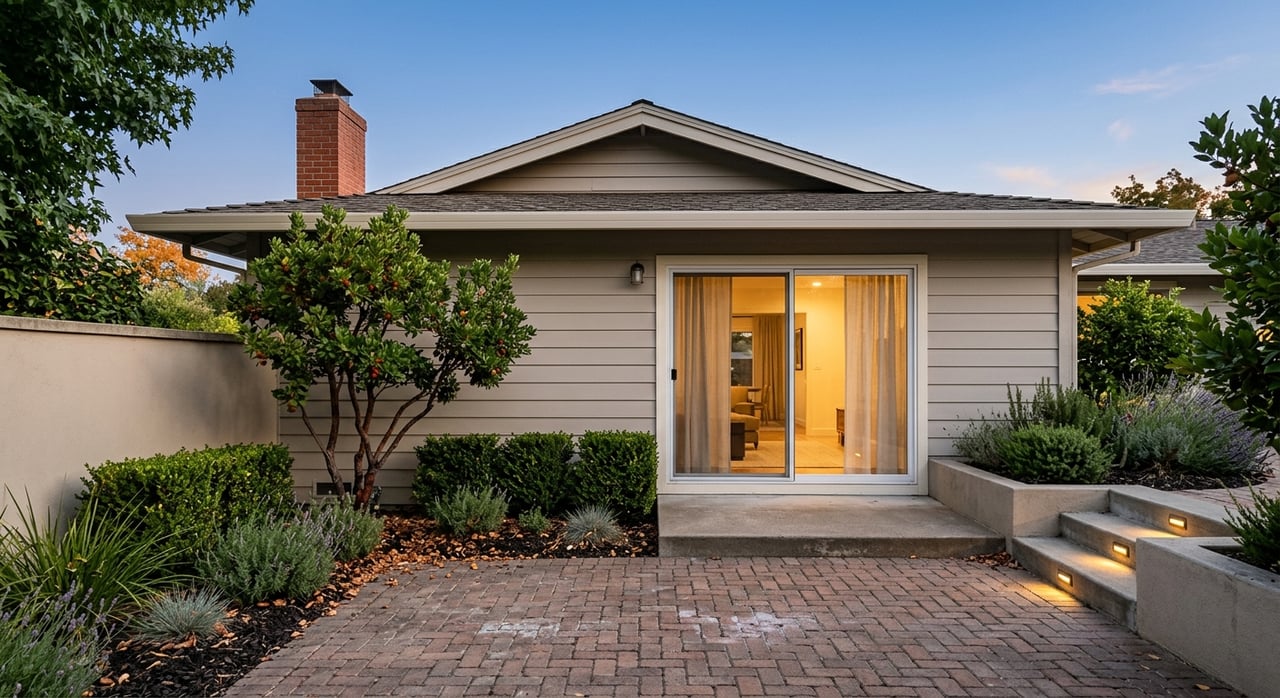
California’s ADU reforms make it easier to add an accessory dwelling unit in many single-family zones. In Berkeley, local standards still apply, so confirm lot specifics, setbacks, and design guidance with the city before you start. Finished lower levels or attic conversions may be possible with proper permitting and structural review.
Historic review basics
Some properties are designated landmarks or fall within historic districts. Exterior changes in those cases may require review or design permits from the local Landmarks Preservation Commission. Verify any past additions or major work for permits and ensure your plans align with the home’s historic character.
Cost and resale factors to weigh
- Demand: Craftsman homes are consistently desirable for their character and walkable locations, which supports strong resale appeal.
- Location drivers: Proximity to UC Berkeley, BART, and commercial corridors influences value. Hillside views can add appeal, and lot size matters.
- Condition and restoration quality: Well-executed updates that respect original details tend to perform best.
- Parking and ADU potential: Off-street parking and clear ADU paths can enhance utility and future value.
- Insurance and systems: Older electrical or plumbing can affect coverage and cost. Factor upgrades into your plan.
- Renovation budgets: Cosmetic updates vary widely in cost, while structural, seismic, or full kitchen and bath projects add more. Get multiple bids and compare to similar local renovations.
Smart touring tips
- Visit at different times: Assess street activity, light, and parking on weekdays and weekends.
- Look under the hood: Ask about foundation work, drainage, seismic upgrades, and the age of electrical and plumbing systems.
- Study the shell: Note roof condition, siding, and window integrity, especially in areas exposed to weather.
- Bring a measuring mindset: Confirm room sizes, storage, and potential for better kitchen and bath layouts without losing signature features.
- Check the site: On sloped lots, evaluate water management and access. In flatter areas, look for opportunities to expand outdoor living.
Ready to explore Craftsman living?
If you love character-rich homes and walkable neighborhoods, a Berkeley Craftsman can be a rewarding choice. You get porch life, built-ins, and a flexible floor plan that can adapt to modern living, plus convenient access to transit and local amenities. If you want help weighing updates, ADU potential, or long-term resale, reach out for local guidance grounded in analysis and practical investor experience. Connect with Anastasia Levitansky to schedule a strategy consultation.
FAQs
How much upkeep do Berkeley Craftsman homes need?
- Expect periodic investment in roof care, exterior paint or stain, foundation and drainage, potential electrical or plumbing updates, and routine termite prevention.
Are Berkeley Craftsman homes good investments?
- They typically hold strong appeal due to character and location; resale depends on condition, proximity to amenities and transit, and how well updates fit modern living.
How do Craftsman homes perform in earthquakes?
- Older wood-frame homes generally perform relatively well, but seismic work such as foundation bolting, cripple-wall bracing, and chimney reinforcement can improve safety.
Can I add an ADU to a Berkeley Craftsman property?
- Often yes, thanks to statewide ADU reforms, but you need to follow Berkeley’s local standards and confirm setbacks, lot feasibility, and permitting requirements.
Which Berkeley neighborhoods have more Craftsman homes?
- Elmwood, North Berkeley, parts of Thousand Oaks and the foothills, Westbrae pockets, and select streets near Claremont and Panoramic Hill have notable concentrations.