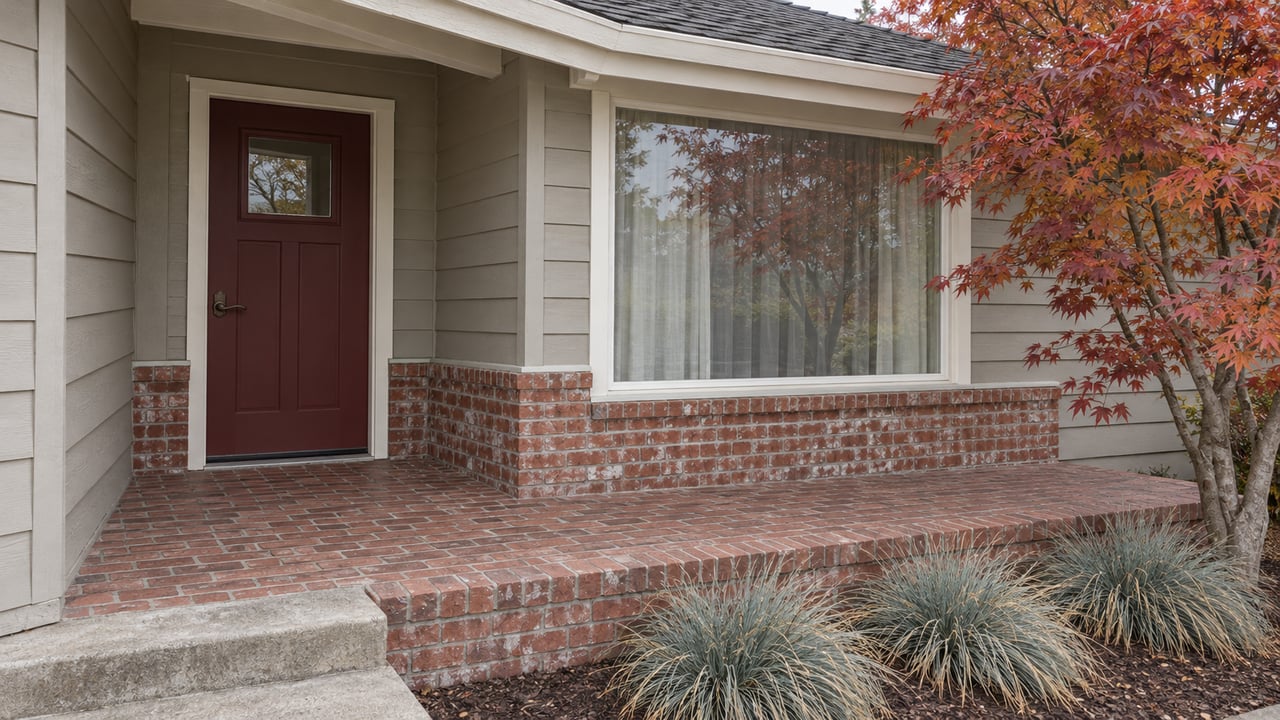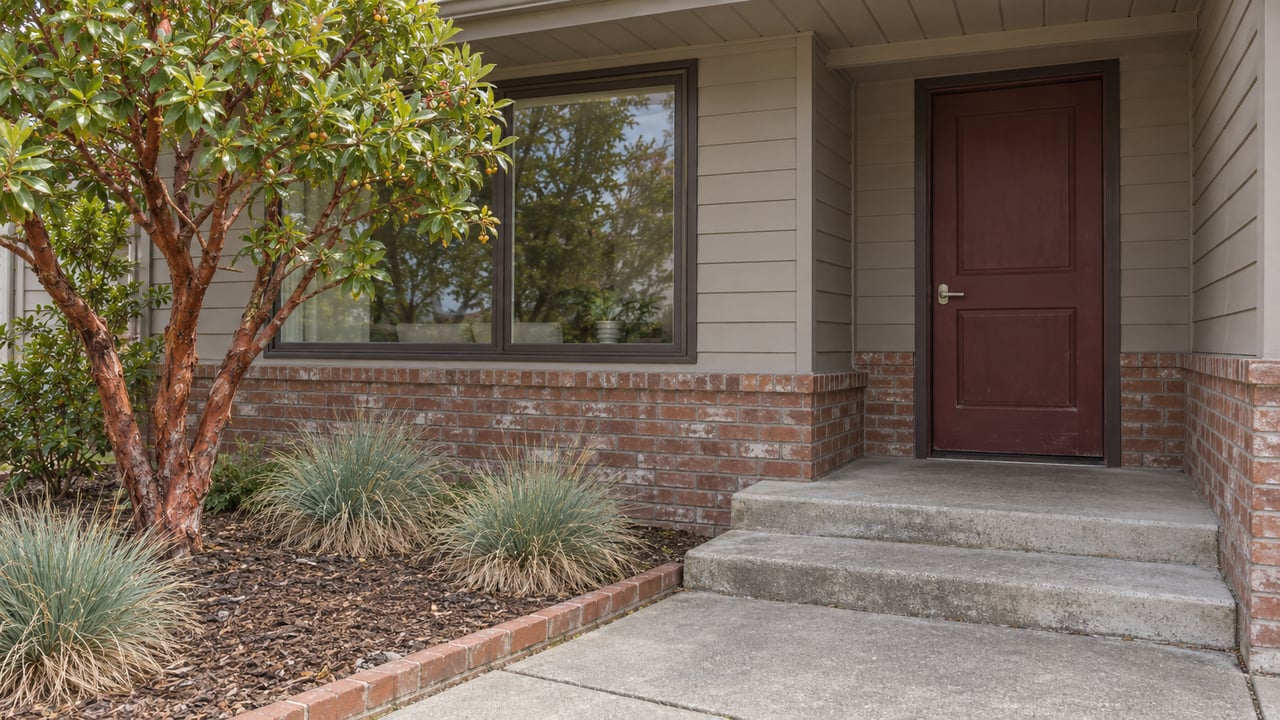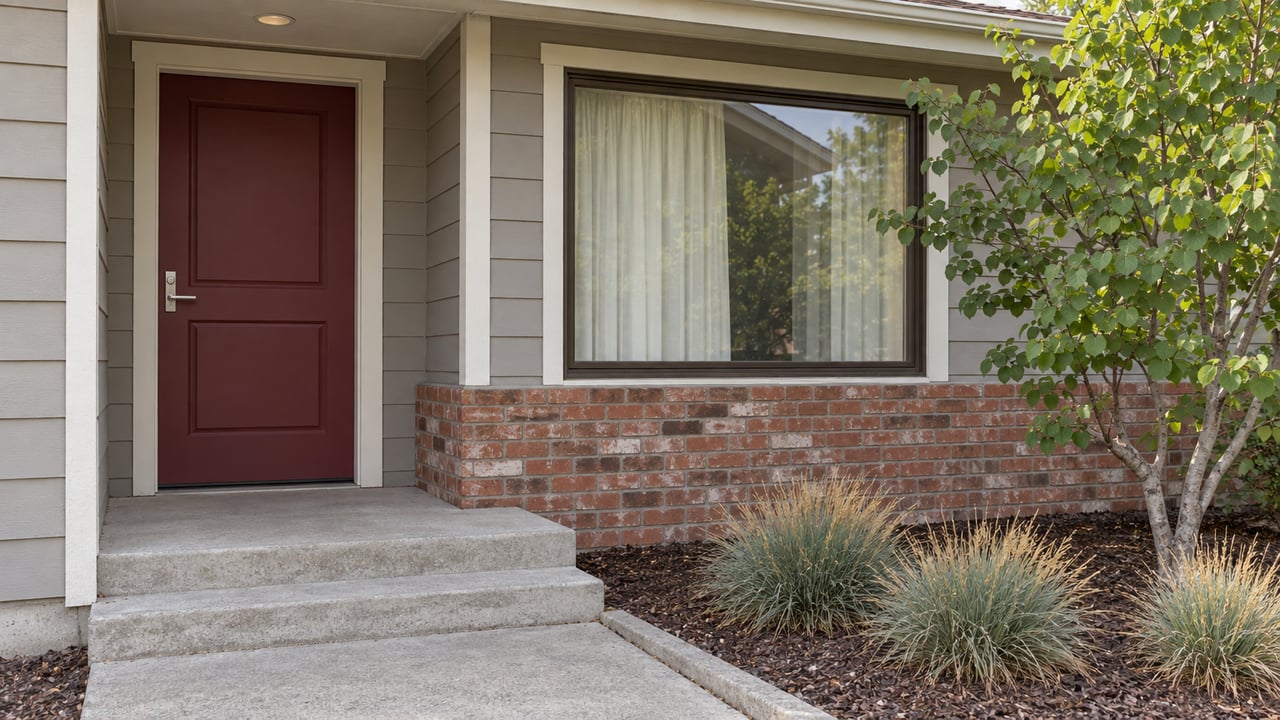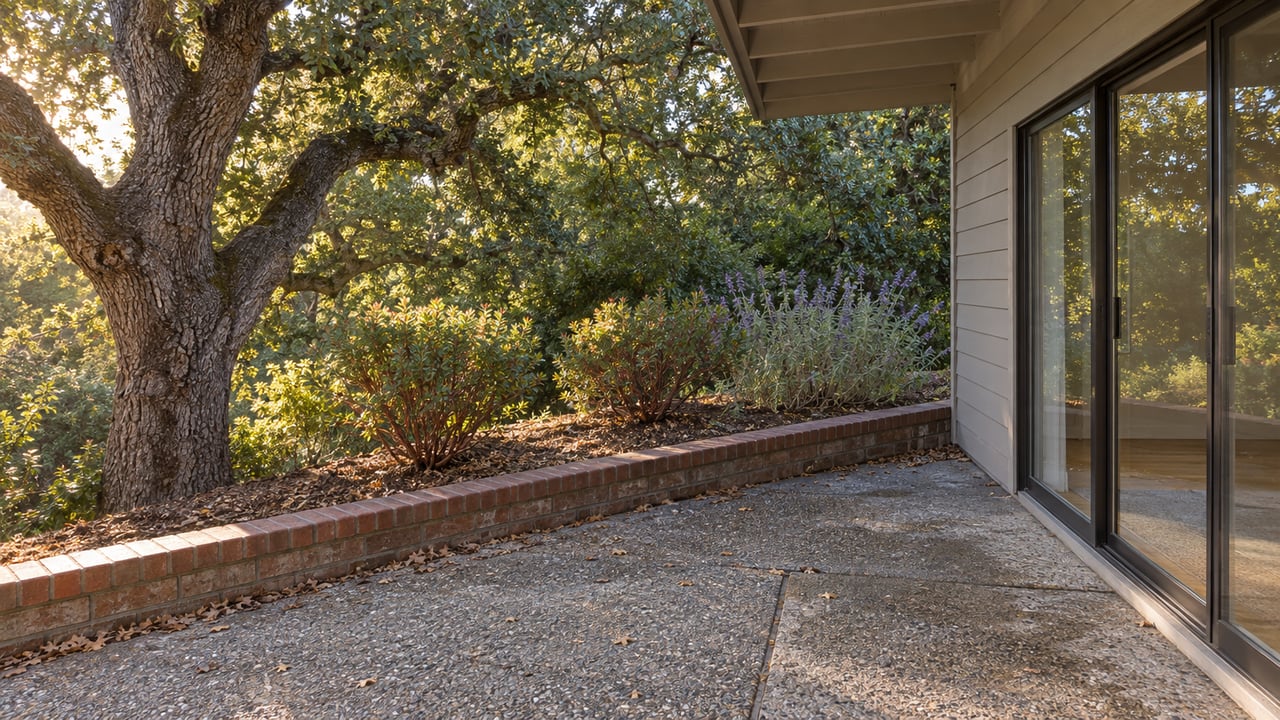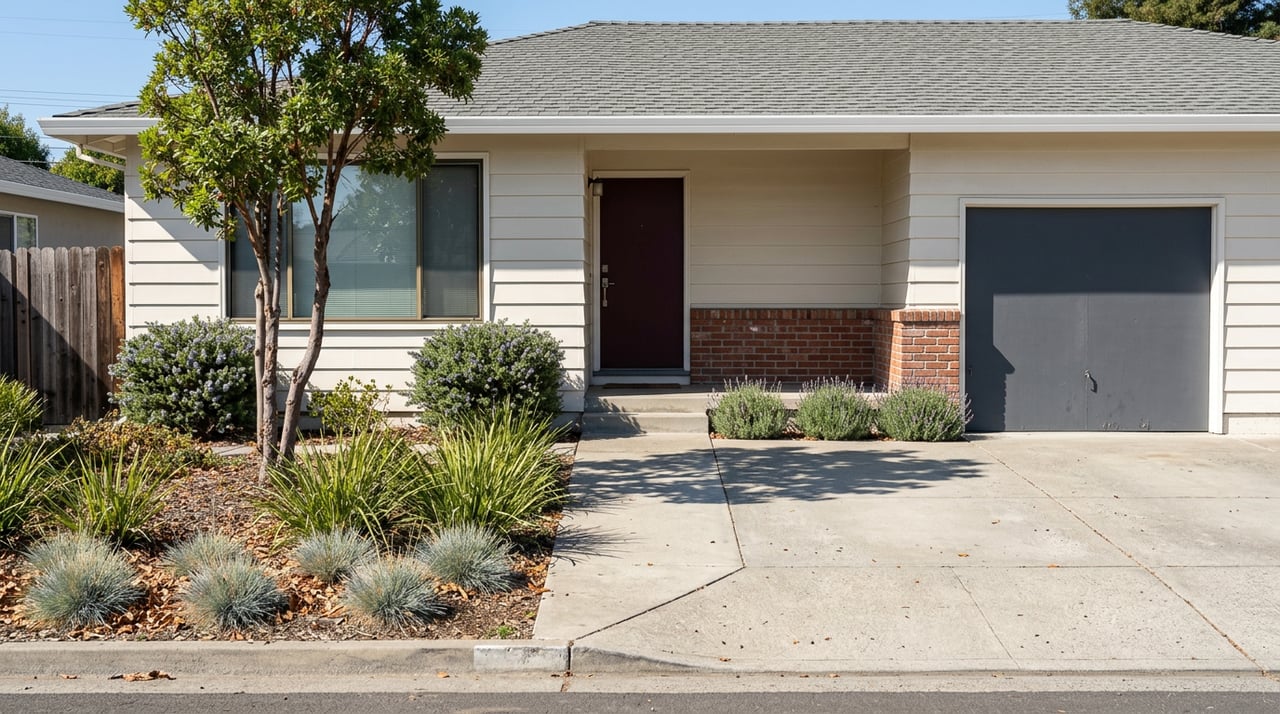
If you want more buying power without giving up East Bay access and lifestyle, put Richmond on your short list. Prices often come in lower than Berkeley and, in many cases, parts of Oakland, yet you still get waterfront living, direct ferry service to San Francisco, and a mix of housing types. The key is picking the right neighborhood and understanding the trade-offs. In this guide, you’ll see current price snapshots, commute options, neighborhood profiles, and what to weigh before you buy. Let’s dive in.
Richmond vs. Berkeley and Oakland prices
On a headline basis, Richmond is typically less expensive than Berkeley and often slightly below Oakland. According to Redfin, Jan 2026, Richmond’s median sale price is about $629,500 with a median $454 per square foot. Oakland’s median sale price is about $665,000 with a median $449 per square foot in the same snapshot. Berkeley sits much higher, with a median sale price around $1.3 million (Redfin, Jan 2026).
Zillow’s view is similar, though the exact numbers differ because it tracks a different index. Zillow reports an average home value of about $586,073 in Richmond as of Jan 31, 2026, and a median sale price of about $615,250 as of Dec 31, 2025. When you quote numbers in your own research, always pair the vendor and date because each platform reports different measures.
What these stats do not show is the spread inside Richmond. Waterfront and Berkeley-adjacent pockets can trade well above the city median, while several inner neighborhoods still offer lower entry points. Price per neighborhood matters more than any single citywide figure.
Commute options and times
Richmond offers multiple ways to reach San Francisco and the broader East Bay, which is a big part of its value story.
| Option | Approx time | Why it matters |
|---|---|---|
| SF Bay Ferry (Richmond to SF Ferry Building) | About 35 minutes one way | A comfortable, reliable ride that turns Marina Bay and nearby areas into practical SF commuter bases. The operator has promoted service and adjusted schedules over time, including 2024 rider promotions. See recent updates from the agency for context. Learn more from CCTA. |
| BART (Richmond station to SF) | Commonly mid 30 minutes to Embarcadero, schedule dependent | One-seat train from the Richmond terminus. Door-to-door varies by transfers, walking, and time of day. For sample routing, see this Richmond to Embarcadero planner view. |
| Driving (I-80/I-580 corridors) | Shorter off-peak to Oakland/Berkeley, longer at rush | Good for East Bay commutes. Factor in bridge tolls, parking, and typical peak congestion if driving to SF. Use live maps for current conditions. |
For buyers moving from pricier neighborhoods, these options can make a slightly longer trip worth the added space or waterfront access.
Waterfront momentum and parks
Richmond’s shoreline is a real differentiator, and recent public investments add to the long-term appeal. On Aug 26, 2025, the East Bay Regional Park District acquired 82 acres at Point Molate for a future regional park and a planned 2.5-mile Bay Trail extension. This is a durable amenity that should roll out in phases and can support neighborhood desirability over time. Read the announcement from the Park District about the Point Molate acquisition and planning.
Marina Bay already offers waterfront condos, trails, and proximity to the ferry terminal. Continued reliability and incremental improvements to ferry service raise the lifestyle premium for buyers who want a direct link to San Francisco.
Where value exists by neighborhood
Richmond is not one monolithic market. Prices and living experience vary by pocket, so focus on neighborhoods and recent comps.
Point Richmond
Historic village feel with hillside homes and a waterfront edge. Realtor.com shows a neighborhood median listing price around $966,500 in recent snapshots. It appeals to buyers seeking character and outdoor access close to the shoreline, typically at a premium relative to citywide figures.
Marina Bay
Planned waterfront condos and townhomes with strong appeal for ferry commuters. Realtor.com reports a neighborhood median listing price around $519,000, which can undercut many Oakland or Berkeley waterfront alternatives depending on unit size and condition.
Richmond Annex
Berkeley-adjacent with quick access to El Cerrito and BART. Redfin reports a neighborhood median sale price near $925,000 as of Jan 2026, reflecting the premium for close-in location and border proximity.
Iron Triangle
An inner-city area with older housing stock and some of the lower entry points in Richmond. Realtor.com shows a neighborhood median listing price around $549,000, which can draw first-time buyers and small investors. As with any submarket, review recent sold comps and street-level dynamics before you bid.
Note: Data providers use different methodologies, so confirm figures and dates for your search window. Neighborhood medians are a starting point, not an offer price.
What you get and what you give up
Every market involves trade-offs. Here is what many buyers weigh in Richmond.
Upsides
- Lower prices versus Berkeley and, in many cases, parts of Oakland, which can increase your space or allow a waterfront location.
- Ferry and BART options that create realistic commutes to San Francisco and the broader East Bay.
- Shoreline access, trails, and ongoing park planning at Point Molate, which can enhance long-term livability.
Considerations
- Public safety varies by neighborhood. Richmond’s crime indices have been above national averages historically, and trends are mixed. Review block-level data and recent reports for streets you are targeting. You can explore a city overview with this crime page.
- Air quality and industrial adjacency matter in some areas. The Chevron refinery is a major local emission source noted in regional analyses. Understand proximity, wind patterns, and available monitoring when you evaluate homes along the industrial edge. For background, see this local overview of air pollution sources and context in Richmond.
- Schools and boundaries should be verified. Most of Richmond is served by West Contra Costa Unified, and outcomes vary by school. Check district resources and third-party data as part of your due diligence. A starting point for researching performance is available on SchoolDigger.
Investor snapshot: rents and yields
For investors, rent levels and purchase price drive gross yield. Zillow reports Richmond’s average asking rent around $2,420 as of Jan 31, 2026. Entry-priced single-family homes and small multifamily in certain pockets can model stronger starting yields, but they may bring higher management, turnover, or rehab costs. Always underwrite with realistic vacancy and CapEx assumptions.
A simple first pass is gross yield: annual rent divided by purchase price. Then layer interest rates, taxes, insurance, maintenance, reserves, and management to get a clearer cash flow picture. Catalysts to watch include the phased build-out at Point Molate, any service improvements on the Richmond ferry, and regulatory outcomes affecting local air quality. You can track park planning via the Park District’s Point Molate update and ferry news via CCTA’s announcements.
So, is Richmond the next value play?
If you want East Bay convenience with more room in your budget, Richmond can be a smart move. Citywide, prices sit well below Berkeley and often below Oakland on a median basis, and you have real lifestyle perks like waterfront access and multiple commute lanes to San Francisco. The opportunity is not uniform, though. Waterfront and Berkeley-adjacent pockets run higher, and you should weigh safety, air quality, and school research by address.
Your next step is to drill down by neighborhood and street. Look at recent sold comps from the past 30 to 90 days, walk the routes to BART or the ferry, and review school boundaries and local reports for the properties on your list. If you want a clear, data-informed plan tailored to your goals, reach out. Anastasia Levitansky can help you compare neighborhoods, evaluate trade-offs, and shape a winning offer. Schedule a strategy consultation.
FAQs
How do Richmond home prices compare to Oakland and Berkeley right now?
- According to Redfin, Jan 2026, Richmond’s median sale price is about $629,500 versus Oakland at about $665,000 and Berkeley at about $1.3 million. Figures vary by vendor and change monthly, so confirm current snapshots when you shop.
What are typical travel times from Richmond to San Francisco by ferry and BART?
- The Richmond ferry to the SF Ferry Building is commonly about 35 minutes one way, and the Richmond BART line can reach Embarcadero in the mid 30 minutes depending on schedule and transfers. See recent ferry context from CCTA and sample BART routing via this planner view.
Which Richmond neighborhoods offer lower entry points for first-time buyers?
- Neighborhood medians show variation. Recent Realtor.com snapshots list Marina Bay around $519,000 and Iron Triangle around $549,000 on median listing price, while Point Richmond is around $966,500 and Richmond Annex commands higher prices with a median sale near $925,000 as of Jan 2026 per Redfin. Verify dates and comps before you write offers.
What should I know about safety when buying in Richmond?
- Safety is neighborhood specific. Richmond’s crime indices have been above national averages historically, with mixed year-to-year trends. Review block-level maps and recent reports for addresses you are considering, and see a city overview on this crime page.
Are there air quality concerns in Richmond I should factor in?
- Parts of Richmond sit near industrial uses, including the Chevron refinery, which is a notable local emission source in regional analyses. Evaluate proximity and available monitoring when you tour homes, and read this local overview on air pollution sources and context.
How do schools factor into a Richmond home search?
- Most of Richmond is served by West Contra Costa Unified. School performance varies, so verify attendance boundaries and review multiple information sources. A starting point for public data is available on SchoolDigger.