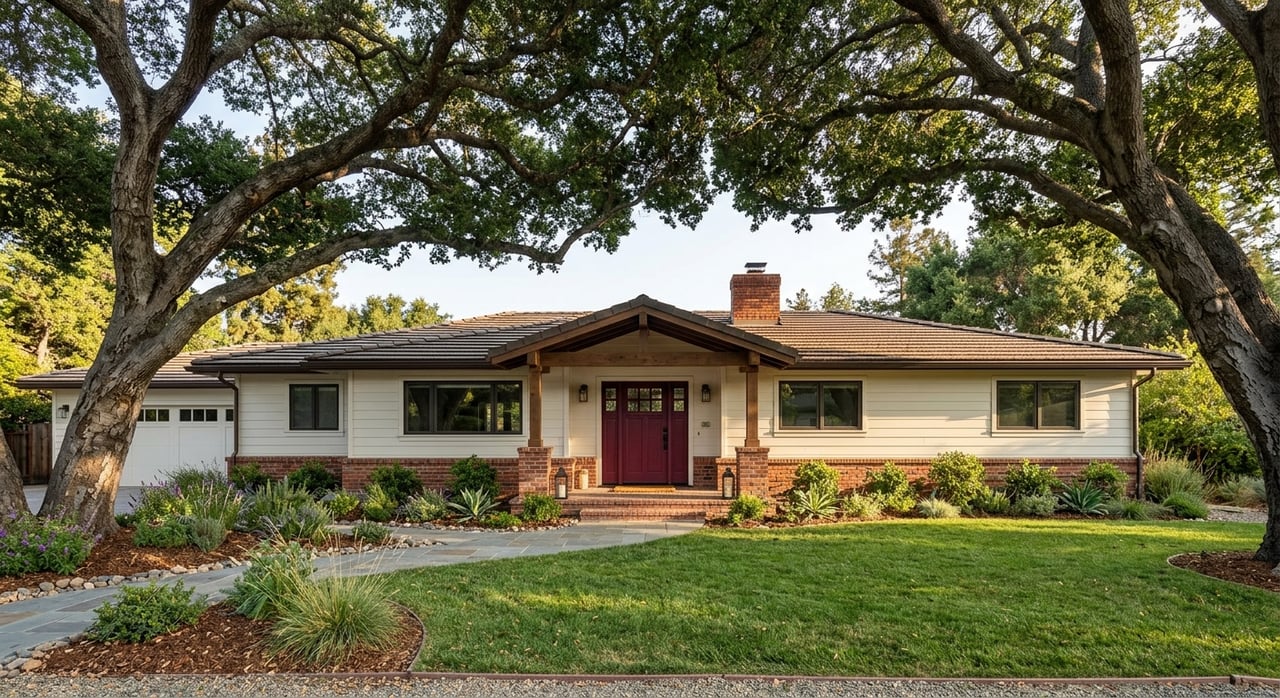
If you are deciding between Orinda and Berkeley, you are probably balancing two very real priorities at once: the kind of home you want and the kind of daily life you want. For many move-up buyers, this choice comes down to space versus convenience, or a quieter residential setting versus a more walkable, transit-connected one. In this guide, you will get a clear framework for comparing both communities so you can focus on what fits your household best. Let’s dive in.
The Core Difference
At a high level, Orinda and Berkeley offer two distinct lifestyles. Orinda is a nearly built-out residential city with a compact village center, largely single-family neighborhoods, and preserved open-space and watershed land around town.
Berkeley is larger and more urban, with a denser street grid, a vibrant downtown, multiple transit hubs, and a wider mix of housing types. If you are trying to choose between them, the big trade-off is usually more land and a quieter suburban rhythm in Orinda versus more walkability, transit access, and housing variety in Berkeley.
Schools and Family Infrastructure
For many families, school structure is one of the first things to compare. Orinda Union School District includes four elementary schools and one middle school, and the local high school pathway continues to Miramonte High School in the Acalanes district.
Berkeley Unified has 11 elementary schools, three middle schools, Berkeley High School, plus alternative and adult education programs. In practical terms, Orinda offers a smaller and more centralized K-12 pathway, while Berkeley offers more school choice and a broader mix of campus types.
What that may feel like day to day
If you like a more streamlined school path, Orinda may appeal to you. The district structure is simpler, which can feel easier to navigate if you prefer a more centralized setup.
If you want more options, Berkeley may stand out. Berkeley’s elementary schools are relatively small by district standards, with average enrollment around 350 students, and the district reports class sizes below the state average. Berkeley also includes specialized options such as Sylvia Mendez Elementary’s two-way immersion program.
Commute and Transit Access
Both Orinda and Berkeley can work for San Francisco commuters, but the experience is not the same. Berkeley’s official visitor fact sheet says downtown San Francisco is about a 15- to 30-minute drive depending on traffic, while Orinda’s city profile says downtown San Francisco is within 20 minutes.
Those are estimates, not guarantees, but they show that both locations are viable for Bay Area commuters. The bigger difference is how many ways you can get around once you live there.
Orinda transit setup
Orinda has one BART station, Orinda Station, served by the Antioch to SFIA/Millbrae line. The station also has parking and County Connection service.
That setup often works well if you prefer a park-and-ride routine. If your day-to-day pattern involves driving to transit, parking, and heading into work, Orinda can fit that model well.
Berkeley transit setup
Berkeley has three BART stations: Downtown Berkeley, North Berkeley, and Ashby. Each of those stations is also served by AC Transit.
This gives you more station choice and more non-car options. Downtown Berkeley station sits next to shops, restaurants, theaters, and UC Berkeley, while North Berkeley Station connects directly to the Ohlone Greenway. The city’s transportation plans also emphasize making walking and biking easier and safer.
Homes, Lots, and Housing Choice
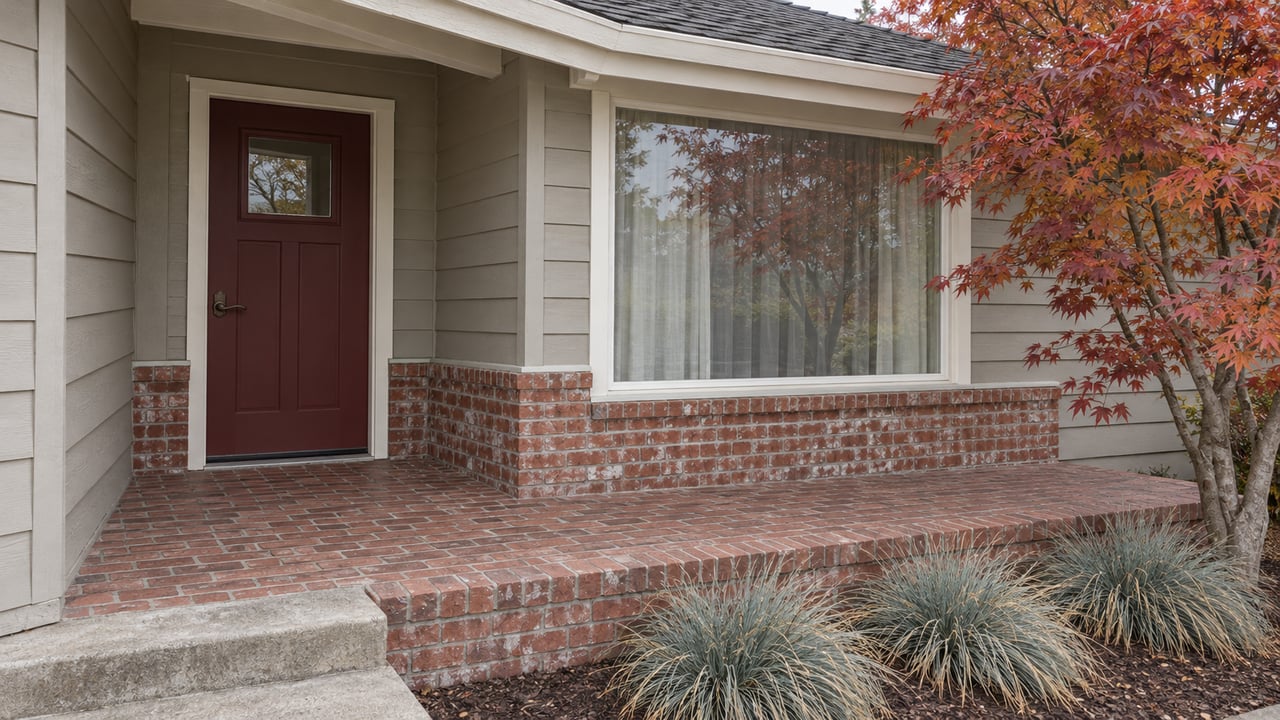
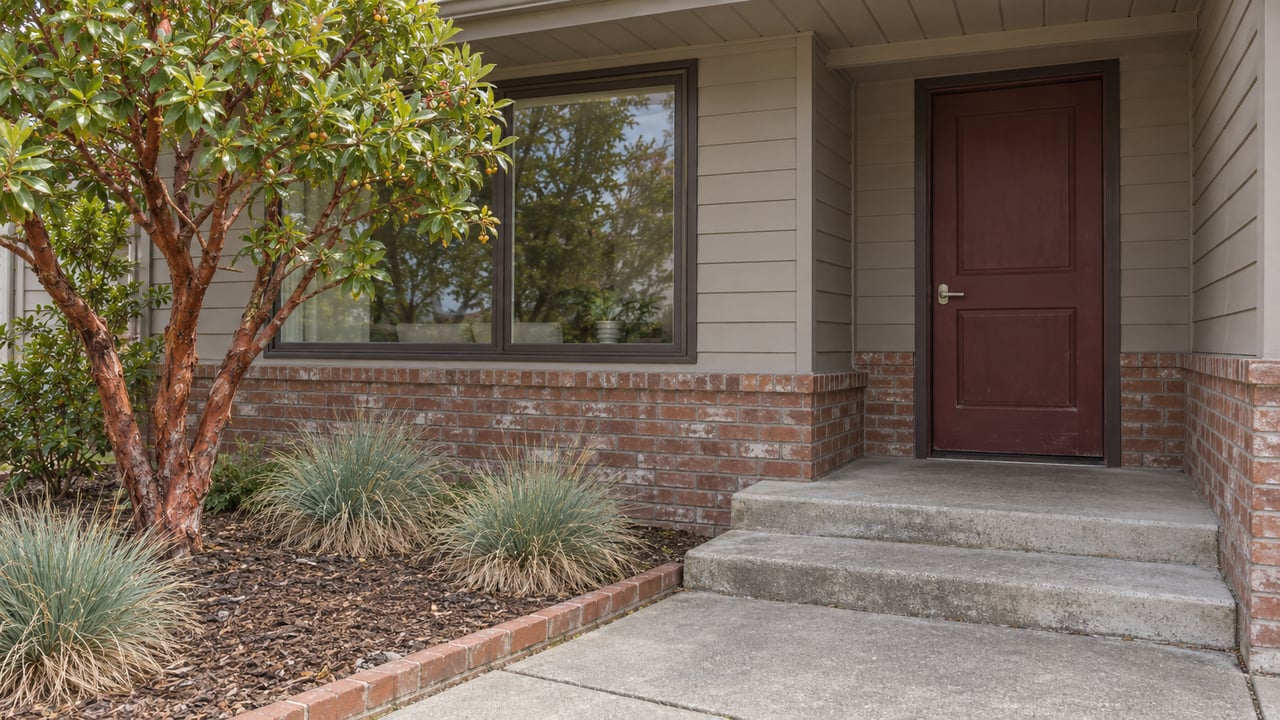
If square footage and outdoor space matter most, this section may carry the most weight in your decision. Orinda’s land-use plan describes the city as a semi-rural, nearly built-out residential community where most housing is low-density single-family homes on individual lots.
Its zoning includes residential districts with minimum net lot sizes ranging from 6,000 square feet to 40,000 square feet, plus estate districts at 5 acres and 10 acres. That creates a housing pattern where larger lots are part of the city’s identity.
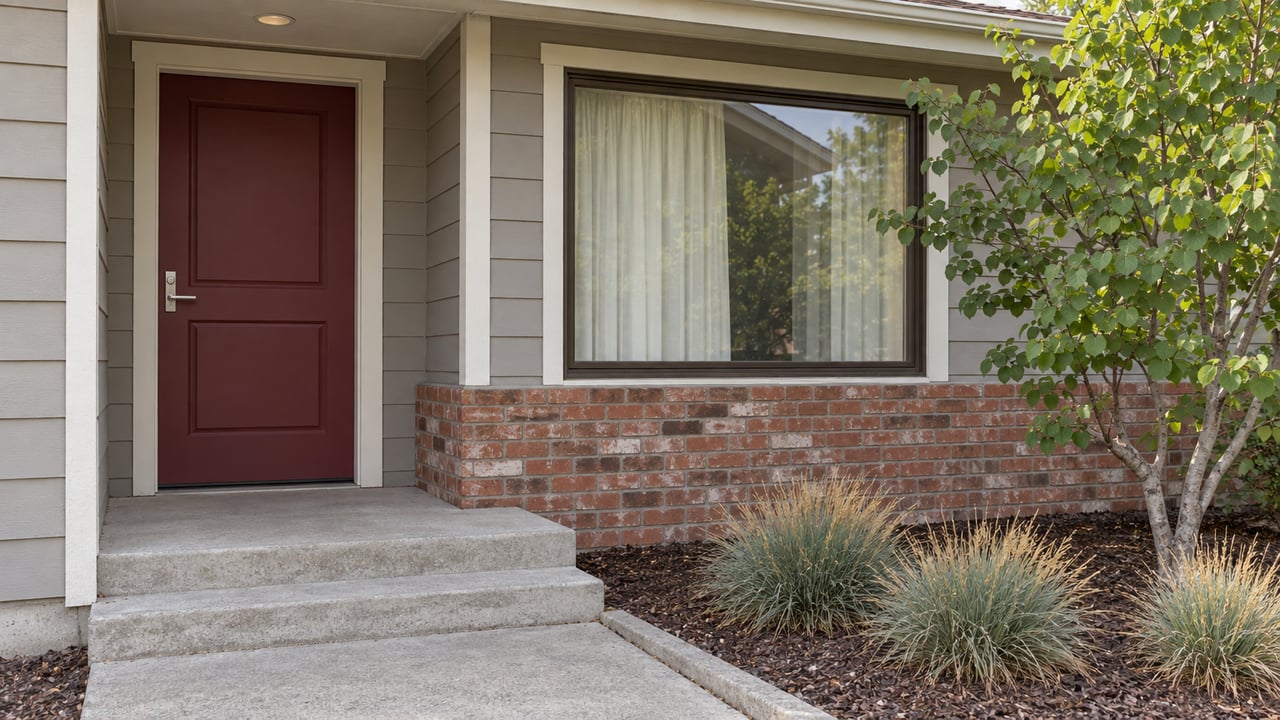
Berkeley’s residential code is different. New lots in R-1, R-2, and R-2A districts have a 5,000-square-foot minimum, and the city’s middle-housing rules allow duplexes, triplexes, fourplexes, courtyard apartments, and other small-scale multi-unit forms on many residential lots.
What your budget may buy
In plain terms, Orinda usually offers more land and fewer housing types. Berkeley usually offers smaller parcels, but more product variety.
The recent listing examples in the research reflect that pattern. In Orinda, examples included a 3-bedroom, 2-bath home with 1,478 square feet, a 4-bedroom, 3-bath home with 2,537 square feet, and a 5-bedroom, 3-bath residence on 1.34 acres with an ADU and two houses on one lot.
In Berkeley, recent examples included a 2-bedroom, 1-bath bungalow on a 3,655-square-foot corner lot and a 4-bedroom, 3-bath home on a 6,050-square-foot lot. You can absolutely find substantial homes in Berkeley, but lot sizes often feel tighter than what you see in Orinda.
Price and Market Pace
Price is often where lifestyle goals meet real-world constraints. In March 2026, Orinda’s median sale price was $2,265,000, compared with $1,550,000 in Berkeley.
Using those market snapshots, Orinda was roughly 46% higher in median sale price than Berkeley. Both markets were highly competitive and moved quickly, with median days on market at 13 in Orinda and 15 in Berkeley.
A useful pricing nuance
Even though Berkeley’s median sale price was lower, its median sale price per square foot was slightly higher than Orinda’s, at $931 per square foot versus $888 per square foot. That lines up with Berkeley’s smaller-lot, denser housing mix.
For you as a buyer, this matters because “more affordable” does not always mean “more space.” In Berkeley, you may pay less overall than in Orinda, but still pay a premium for location, walkability, and access.
Lifestyle, Open Space, and Feel
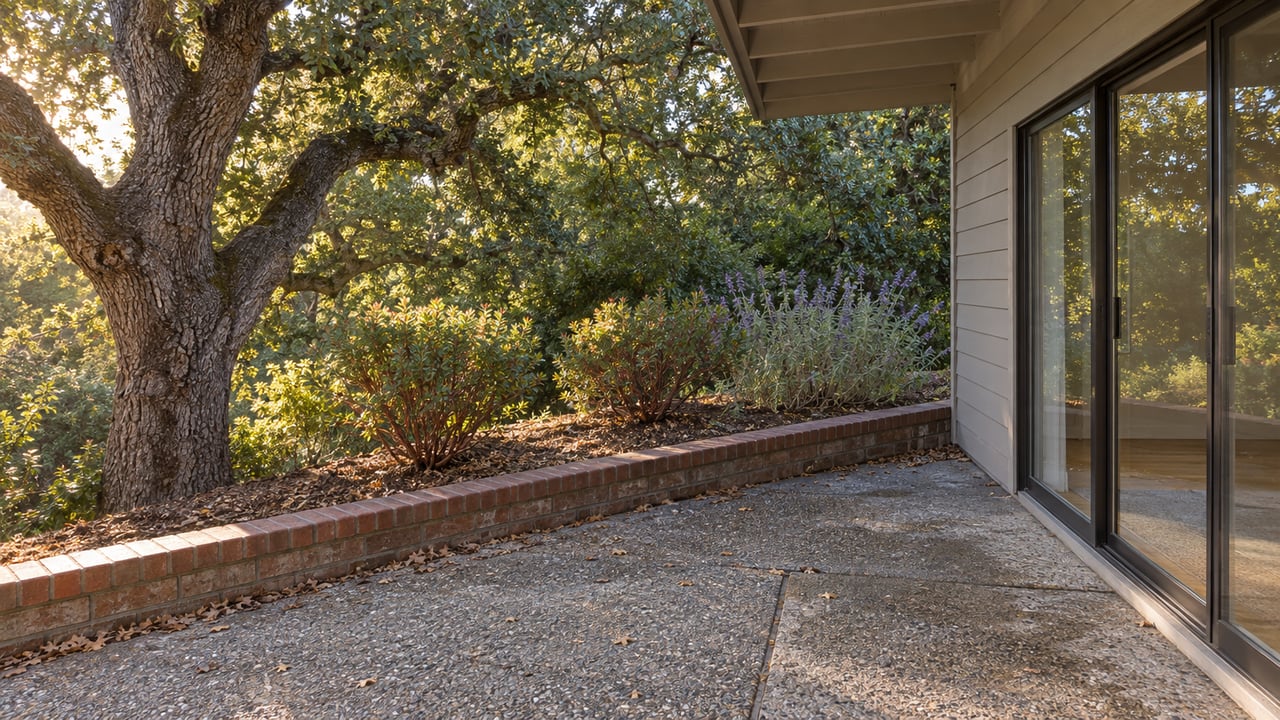
Your day-to-day experience will likely be shaped just as much by the setting as by the house itself. Orinda’s planning documents describe a Mediterranean climate with cool wet winters, warm dry summers, and a landscape of rolling hills and valleys.
Berkeley’s climate documents describe warm dry summers and cool moist winters, with rainfall that can vary by location, reflecting the city’s microclimates. In everyday terms, Berkeley often feels more Bay-influenced and cooler near the water, while Orinda can feel more inland and warmer in summer, especially away from the marine layer.
Outdoor access in Orinda
Orinda leans into trails and neighborhood recreation. The city highlights the de Laveaga Trail, the St. Stephen’s trail to Lafayette Reservoir, EBMUD trail connections, the Wilder trail system, and Orinda Community Center Park, which includes open grass, playgrounds, and tennis courts.
If you picture weekends that involve hillside trails, neighborhood parks, and a quieter residential backdrop, Orinda may feel like a natural fit.
Outdoor access in Berkeley
Berkeley’s outdoor identity looks different, but it is still strong. The city offers the 90-acre Berkeley Waterfront, the Bay Trail loop, the Ohlone Greenway, and a broader emphasis on walking, biking, and rolling throughout the city.
Berkeley also brings more cultural activity into everyday life. Downtown Berkeley is a major hub for arts, dining, shopping, and activity around the UC Berkeley campus, which can be a big plus if you want more energy close to home.
Which Community Fits Your Family Best?
If you are torn, it helps to ask which trade-offs you are truly comfortable making. There is no universal right answer here. The better choice depends on how you want your home and your routine to work together.
Orinda may fit you better if you want:
- Larger lots and more separation between homes
- A quieter suburban or hillside setting
- A more centralized school pathway
- Easy access to trails, parks, and open space
- A single-family home environment that feels more residential than urban
Berkeley may fit you better if you want:
- More walkability in daily life
- More transit choices and non-car mobility
- A wider range of housing types
- Access to downtown activity, dining, arts, and campus energy
- More flexibility if you value location and convenience over lot size
A Smart Way to Decide
If both places are still on your list, the best next step is to compare them through your own real priorities. Start with the items that affect your life most each week, not just the features that sound good on paper.
You may want to rank factors like these:
- Home size
- Lot size
- Commute pattern
- Transit access
- School structure
- Access to trails or parks
- Walkability to shops or dining
- Housing type flexibility
- Budget comfort
Once you rank those priorities, the decision often becomes clearer. In my experience, buyers feel more confident when they stop asking which city is “better” and start asking which city is better for the way they actually live.
Choosing between Orinda and Berkeley is really about matching your budget, routine, and long-term goals to the right setting. If you want a data-informed, neighborhood-level conversation about where your priorities line up best, Anastasia Levitansky can help you compare the options and build a smart strategy.
FAQs
Is Orinda or Berkeley better for buyers who want a larger lot?
- Orinda is generally the stronger fit if larger lots are a priority, since its land-use pattern centers on low-density single-family homes and lot minimums that can range well beyond what is typical in Berkeley.
Is Berkeley or Orinda better for BART access?
- Berkeley offers more BART access overall because it has three stations, while Orinda has one station that often functions more like a park-and-ride setup.
How do home prices compare in Orinda and Berkeley?
- Based on the March 2026 market snapshots in the research, Orinda had a higher median sale price at $2,265,000 compared with $1,550,000 in Berkeley, while both markets remained competitive.
Which city offers more housing variety, Orinda or Berkeley?
- Berkeley offers more housing variety because its rules allow more middle-housing types, while Orinda is more heavily oriented toward single-family homes on individual lots.
How do Orinda and Berkeley differ in everyday lifestyle?
- Orinda generally offers a quieter suburban feel with trails and open space, while Berkeley offers a denser, more walkable environment with stronger transit access and more cultural activity around downtown and UC Berkeley.