If you want East Bay access without giving up a close-knit neighborhood feel, Albany deserves a serious look. This compact city offers a recognizable main street, established housing, everyday convenience, and strong access to Berkeley and San Francisco. Whether you are buying your first home, moving up, or thinking about long-term value, Albany has a lot to offer in a small footprint. Let’s dive in.
Why Albany stands out
Albany is a small city in northwestern Alameda County on the eastern shore of San Francisco Bay. According to city and Census information, about 19,439 residents live within just 1.79 land square miles. That density helps explain why so much of daily life can feel close together.
You are not looking at a place defined by far-flung subdivisions or long drives between errands. Albany is better understood as a compact community with a clear center of gravity. City materials point to Solano Avenue as the neighborhood main street, which gives the city a distinct identity and a more connected day-to-day rhythm.
Small-town feel, East Bay location
One of Albany’s biggest strengths is how it combines neighborhood scale with regional convenience. Interstate 80 runs along the city’s western edge, and the Bay Bridge is just a few miles south. That puts Albany in a strong position for people who want access to major East Bay destinations and San Francisco.
At the same time, Albany does not read like a pass-through location. Its civic programming, local events, parks, and pedestrian-oriented commercial areas support a more rooted feel. You get the advantages of a central East Bay address with a community identity that feels visible and active.
Solano Avenue shapes daily life
If you want to understand Albany, start with Solano Avenue. The city’s active transportation plan identifies it as the primary neighborhood commercial district, and it sits within half a mile of nearly all residents. That is a big reason Albany often feels convenient in ways that are hard to measure on a listing sheet.
For you as a buyer or homeowner, that can mean simpler routines. Coffee, casual dining, neighborhood services, and everyday errands feel integrated into the community rather than scattered across a large area. It also adds to the kind of street life that makes a place feel lived-in and familiar.
San Pablo Avenue has a different role
San Pablo Avenue is part of Albany’s story too, but in a different way. City planning documents describe it as the major north-south arterial and transit corridor. Long-term planning there focuses on pedestrian safety and a more walkable commercial environment.
That distinction matters because it helps set expectations. Solano Avenue offers the clearest main-street experience today, while San Pablo plays more of a transportation and corridor role within the city.
Housing has character and flexibility
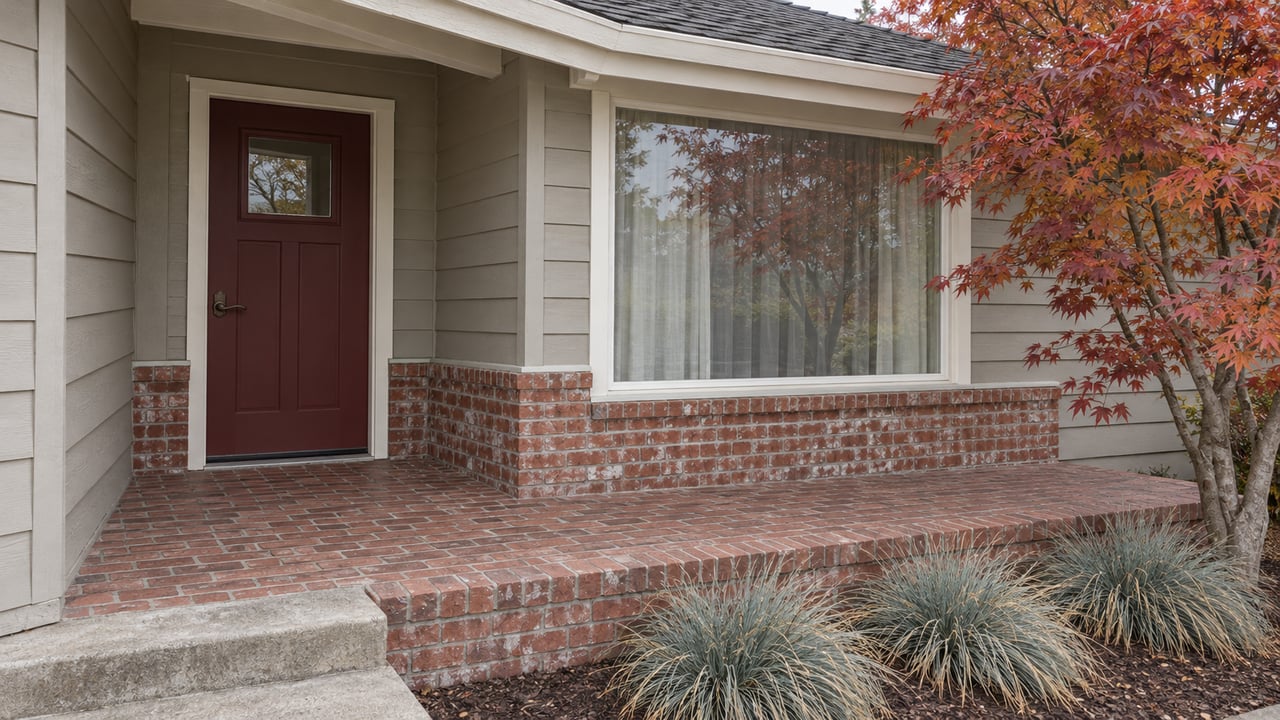
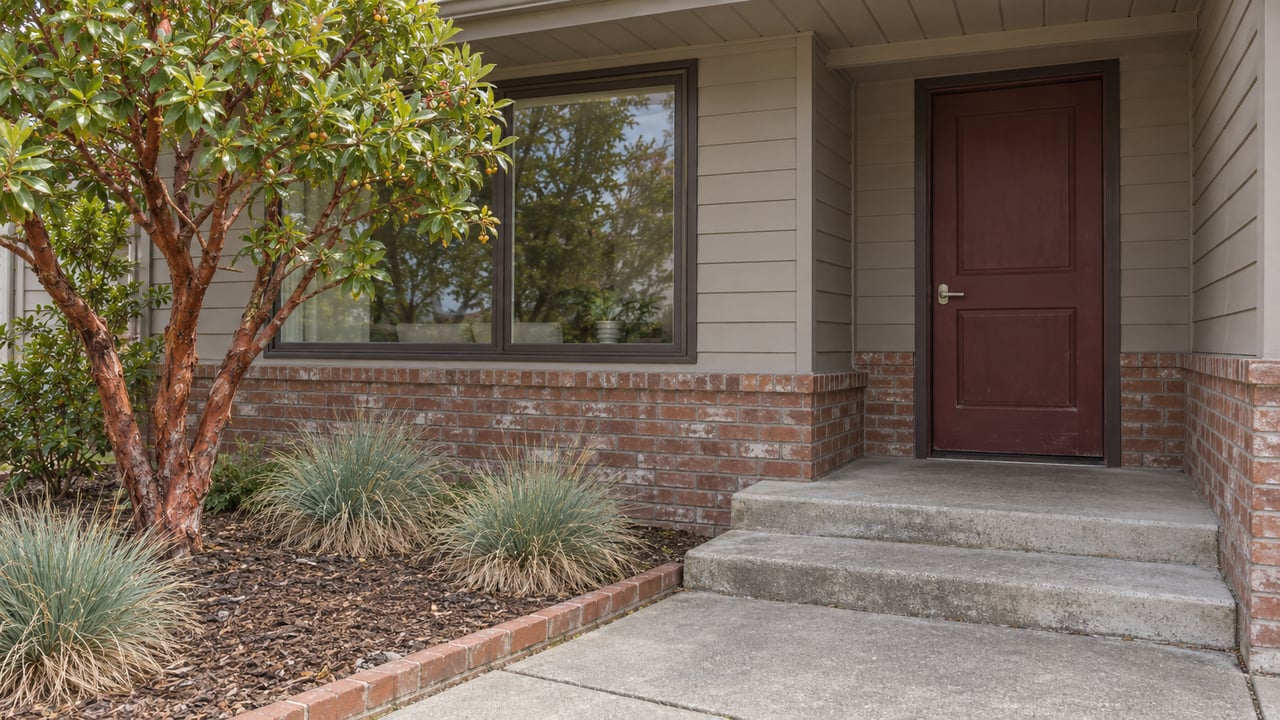
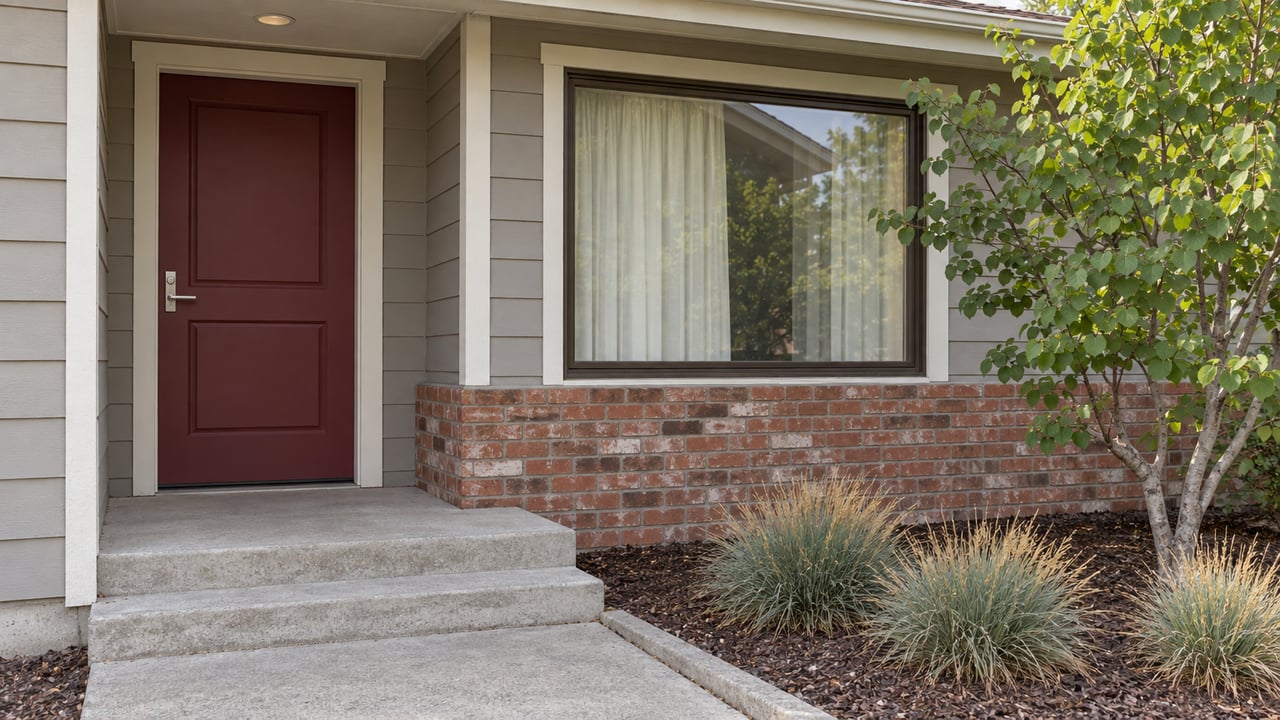
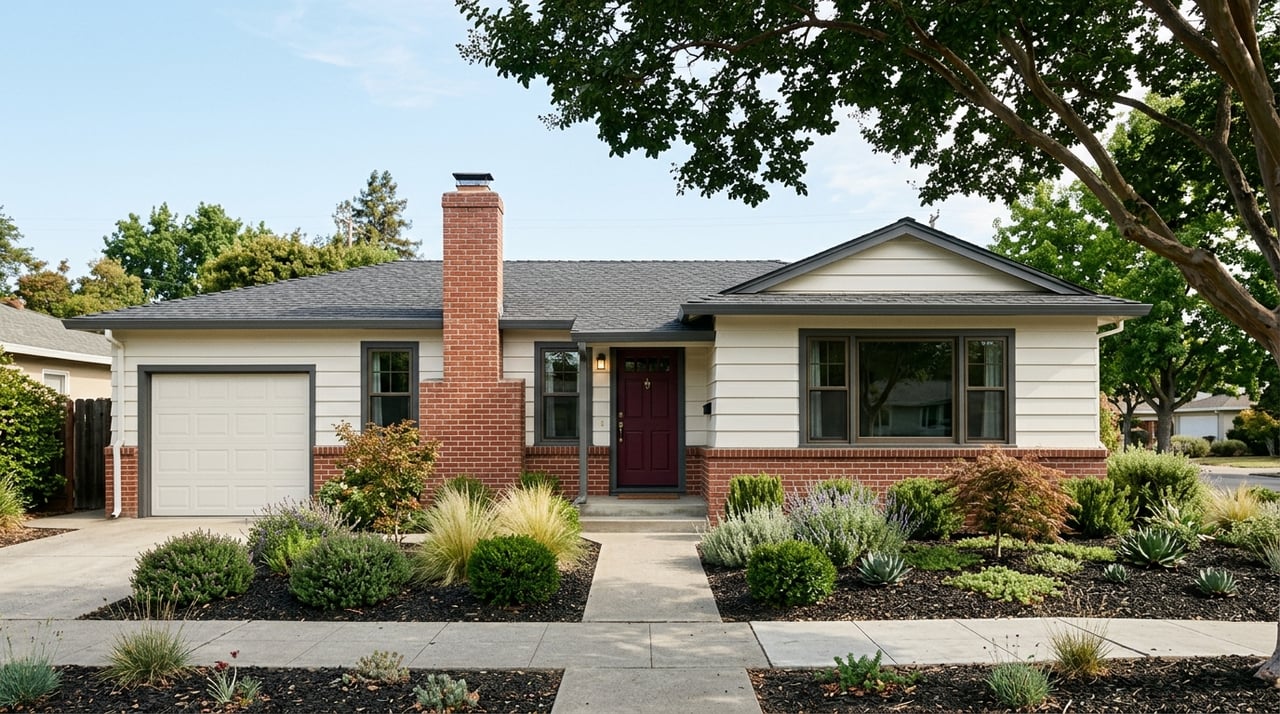
Albany’s housing stock is often associated with single-family homes, and that is a big part of the market. But the city’s planning documents show a broader mix that includes bungalows, apartments, and other low-rise residential forms. The overall pattern is neighborhood-scale rather than high-rise or heavily master-planned.
Much of the housing was built in the 1920s, and city design guidance notes styles such as Craftsman, Spanish Revival, Tudor, Minimal Traditional, and modern or contemporary homes. For buyers, that means you may see more architectural variety and more original character than in newer suburban markets.
ADUs are part of the conversation
Albany also stands out for buyers and owners thinking about flexibility. The city allows accessory dwelling units in several forms, including attached, detached, converted, and junior ADUs. That creates useful possibilities for multigenerational living, guest space, home office separation, or future rental income strategies.
For small investors and owner-occupants alike, this matters. It suggests a local housing environment where incremental value-add opportunities are part of the planning landscape, not an afterthought.
What buyers should know about pricing
Albany is not an entry-level market by broad Census measures. The median owner-occupied home value is $1,202,200, the median gross rent is $2,445, and the owner-occupied housing rate is 53.1%. Median household income is reported at $144,107.
These numbers help you set realistic expectations. If you are comparing Albany with nearby East Bay areas, it helps to approach the market with a clear budget, a focused search strategy, and a strong understanding of which property features matter most to you.
In a market like this, small differences in location, lot utility, condition, and future ADU potential can have an outsized effect on value. That is where a data-informed approach becomes especially useful.
Schools are part of Albany’s appeal
Albany Unified School District serves about 3,742 students across seven schools and describes itself as small, diverse, and high-achieving. District information says 77% of students meet or exceed state English language arts standards. Albany High also highlights 20 AP and Honors courses and 22 sports teams.
For buyers who want context around local schools, those are useful concrete details. The district includes Cornell Elementary, Marin Elementary, Ocean View Elementary, Albany Middle School, Albany High School, MacGregor High School, and Albany Children’s Center.
Recent school recognition
Albany also has recent statewide recognition at the elementary level. Cornell Elementary earned California Distinguished School recognition in 2023, and Ocean View Elementary earned the same recognition in 2025. That gives you a current, factual marker if school access is one part of your home search.
Parks and open space are a real strength
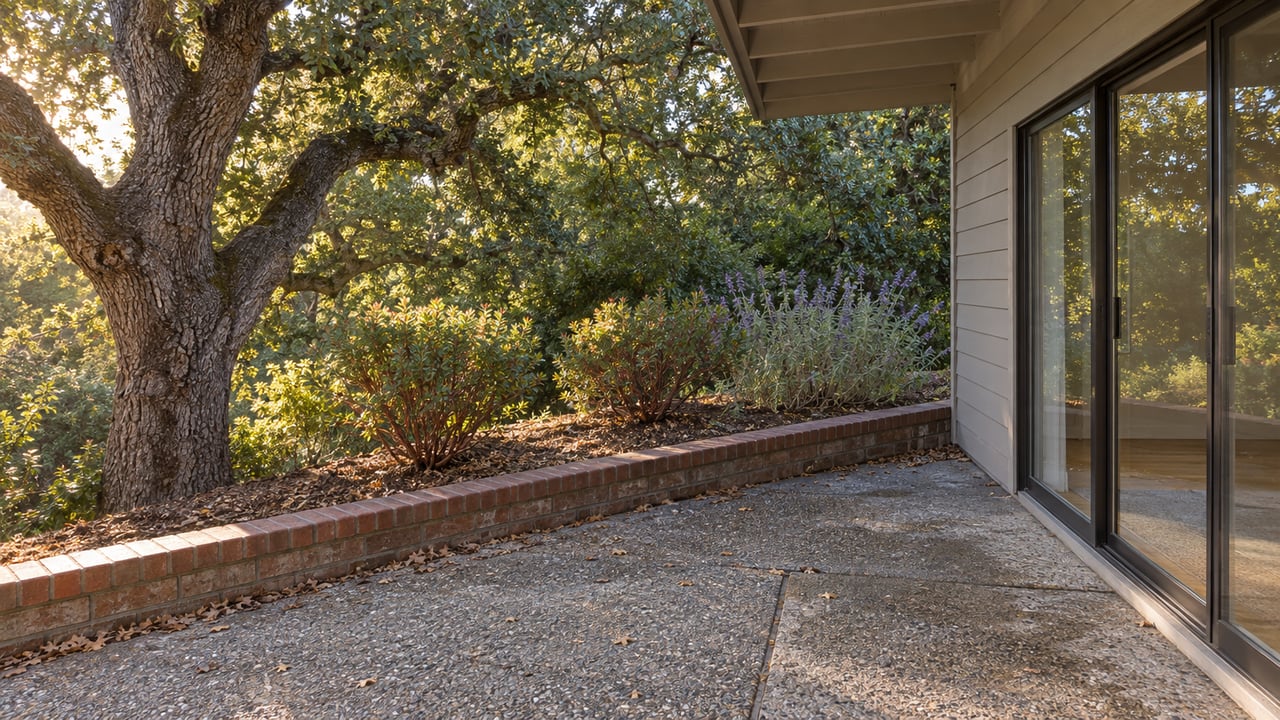
Albany’s size does not limit its outdoor appeal. The city highlights Memorial Park as the main city park and Ocean View Park as the only developed park in the western part of the city. The Ohlone Greenway adds another layer, offering a bike-and-walk path with an exercise course and a railroad-to-park history.
You also have access to Albany Hill, the Albany Bulb, the waterfront, and a network of five creeks: Cerrito, Codornices, Marin, Middle, and Village. Together, these spaces give Albany more outdoor variety than many people expect from such a compact city.
Albany Hill and the waterfront
Albany Hill is the city’s most prominent landmark. It includes about 39 undeveloped acres, with 28 acres designated as open space. That kind of preserved hillside space adds visual relief and a natural counterpoint to the city’s compact street grid.
The Albany Bulb offers a very different experience. Located at the foot of Buchanan Street, it was converted from a former construction debris landfill into public parkland and is now part of a waterfront area intended for trails, scenic views, and passive recreation within McLaughlin Eastshore State Park.
Commuting and regional access
Albany does not have its own BART station, but it is close to two neighboring stations. City planning documents place Albany about one-quarter mile from El Cerrito Plaza and just over one-half mile from North Berkeley. That gives many residents practical rail access without living directly in a station-centered environment.
El Cerrito Plaza BART serves southern El Cerrito, northern Albany, Kensington, and nearby portions of Berkeley and Richmond, with direct service on the Richmond-to-Millbrae/SFO and Richmond-to-Berryessa/North San Jose lines. City materials also note access through AC Transit and nearby BART to San Francisco, Berkeley, Oakland, Richmond, and beyond.
For many buyers, that is part of Albany’s sweet spot. You can enjoy a smaller residential setting while staying connected to larger job, culture, and university centers.
Community identity feels visible
Albany’s appeal is not just functional. It also has a visible civic and cultural layer that helps the city feel more personal and distinct. The city supports public art, a rotating Community Center Foyer Art Gallery, a Sculpture Loan Program, and the Albany Murals Project.
Events like the Solano Stroll and Albany Local Week with Taste of Albany add to that sense of place. If you value a city that feels active without feeling oversized, these community touchpoints are part of what makes Albany memorable.
Who Albany may fit best
Albany can work well for several kinds of buyers. If you want a compact East Bay city with an established housing stock and close access to Berkeley, it is worth considering. If you value park access, a walkable commercial spine, and practical regional connections, it checks many important boxes.
It may also appeal to buyers who want to think beyond the house itself. In Albany, location efficiency, neighborhood character, and ADU flexibility can all be part of the value equation. That makes it a market where thoughtful analysis matters.
What to watch as you search
In a city this compact, hyperlocal differences matter. One block may feel more connected to Solano Avenue, parks, or a transit route, while another may offer a quieter residential setting or different lot utility. Because much of the housing is older, condition, updates, and long-term maintenance should also be part of your review.
It also helps to think clearly about your goals. Are you prioritizing proximity to neighborhood amenities, access to Berkeley or San Francisco, architectural character, or future ADU potential? The right Albany property often depends on how you rank those tradeoffs.
If you are considering a move in Albany or nearby northern East Bay neighborhoods, working with an agent who understands pricing, micro-location differences, and value-add potential can help you make a smarter decision. To talk through your goals with a local, data-informed advisor, schedule a strategy consultation with Anastasia Levitansky.
FAQs
What is Albany, CA known for?
- Albany is known for its small-town feel, compact layout, Solano Avenue commercial district, established housing, parks and open space, and convenient access to Berkeley and San Francisco.
How big is Albany, California?
- Albany has about 19,439 residents and 1.79 land square miles, which helps explain its close-knit and convenient feel.
What types of homes are common in Albany?
- Albany includes many single-family homes along with apartments and other low-rise housing, with much of the housing stock dating to the 1920s and featuring styles like Craftsman, Tudor, and Spanish Revival.
Does Albany have access to BART?
- Albany does not have its own BART station, but it is close to El Cerrito Plaza and North Berkeley stations, and city materials also highlight AC Transit access.
Are ADUs allowed in Albany, CA?
- Yes. City information says ADUs in Albany may be attached, detached, converted from existing space, or built as junior ADUs.
What parks and outdoor spaces are in Albany?
- Albany’s park and open-space network includes Memorial Park, Ocean View Park, the Ohlone Greenway, Albany Hill, the Albany Bulb, the waterfront, and five local creeks.
What should buyers expect about Albany home prices?
- Census data shows a median owner-occupied home value of $1,202,200, so buyers should approach Albany as a higher-priced East Bay market and plan accordingly.